دليل التطبيق العمودي لشراء ضوء الشارع الشمسي: اختيار الموردين للبنية التحتية البلدية والطرق السريعة
Procuring solar street lights for municipal and highway projects requires a nuanced understanding of specific industry demands. This guide outlines the core requirements for these applications, essential supplier selection criteria, and practical steps for a successful partnership, drawing on the experience of established manufacturers like Cmoonlight.
1. Industry-Specific Requirements for Municipal and Highway Lighting
Solar lighting for public infrastructure must meet stringent performance and durability standards. The core requirements differ significantly from generic outdoor lighting.
- Durability in Harsh Environments: Systems must operate reliably across a wide temperature range, typically from -20°C to 60°C, and withstand high humidity, coastal salt spray, and desert sandstorms. A minimum IP66 waterproof rating is standard for outdoor fixtures.
- High Reliability and Uptime: Municipalities and highway authorities require consistent illumination for public safety. Systems must provide 10-12 hours of operation per night and maintain functionality through 3-5 consecutive rainy or cloudy days.
- Vandal and Theft Resistance: Publicly accessible installations need robust, anti-tamper designs. This includes IK10 impact-resistant housings and secure mounting systems to deter theft of valuable components like batteries and solar panels.
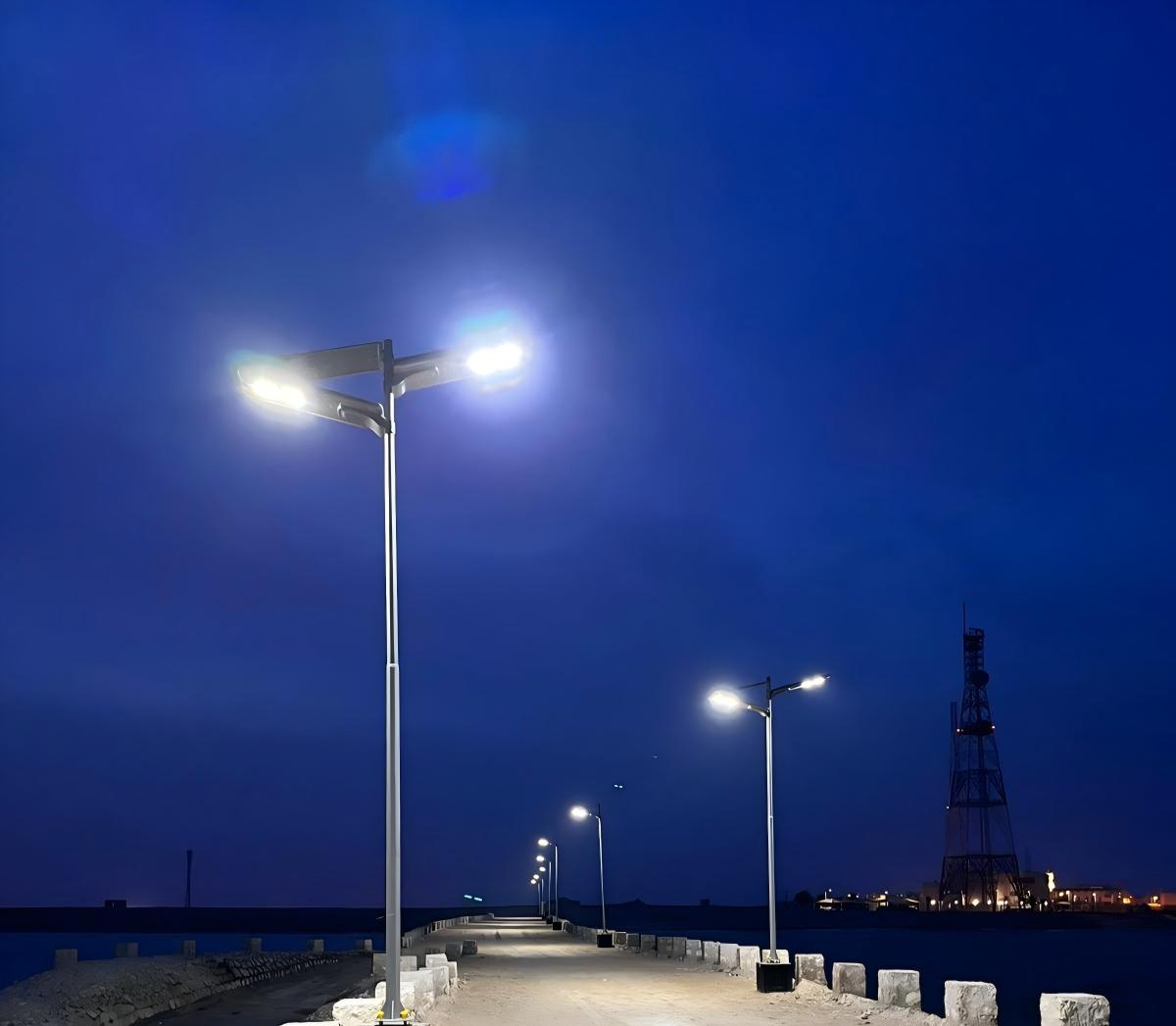
- Adaptability to Varied Conditions: Projects span urban main roads, rural pathways, highway service areas, and parking lots. Each setting has unique solar exposure, pole height, and spacing requirements, necessitating flexible product configurations.
2. Essential Supplier Selection Criteria
When evaluating solar street light manufacturers, procurement professionals should prioritize three core capabilities beyond basic product specifications.
Proven Industry Customization Experience
Suppliers should demonstrate a track record of tailoring solutions to specific project needs. This includes the ability to customize solar panel wattage, battery capacity and voltage (e.g., LiFePO4 lithium batteries), lighting modes (time dimming or sensor-based), and hybrid solar-grid functionality. For instance, the manufacturer Cmoonlight offers OEM/ODM services with a monthly production capacity of 8,000 units, allowing for project-specific adaptations.
Comprehensive Compliance and Certification Portfolio
Certifications are non-negotiable for public tenders and ensure product safety and performance. Key certifications for target markets include:
- CE (Certification Number: CTE15GR-664E): Essential for the EU and many other markets, covering electromagnetic compatibility and safety.
- CB Test Certificate (Number: DE 2-034408, issued by TUV): An internationally recognized safety certification based on IEC standards.
- IP67 (Certification Number: CTE15GC-665IP): Verifies dust and water ingress protection, crucial for long-term outdoor reliability.
- RoHS: Ensures the product is free from hazardous substances.
These certifications, held for product lines like the Palm Series Foldable All-in-One Solar Street Light, validate a manufacturer's commitment to quality and regulatory adherence.
Design for Extreme Conditions and Longevity
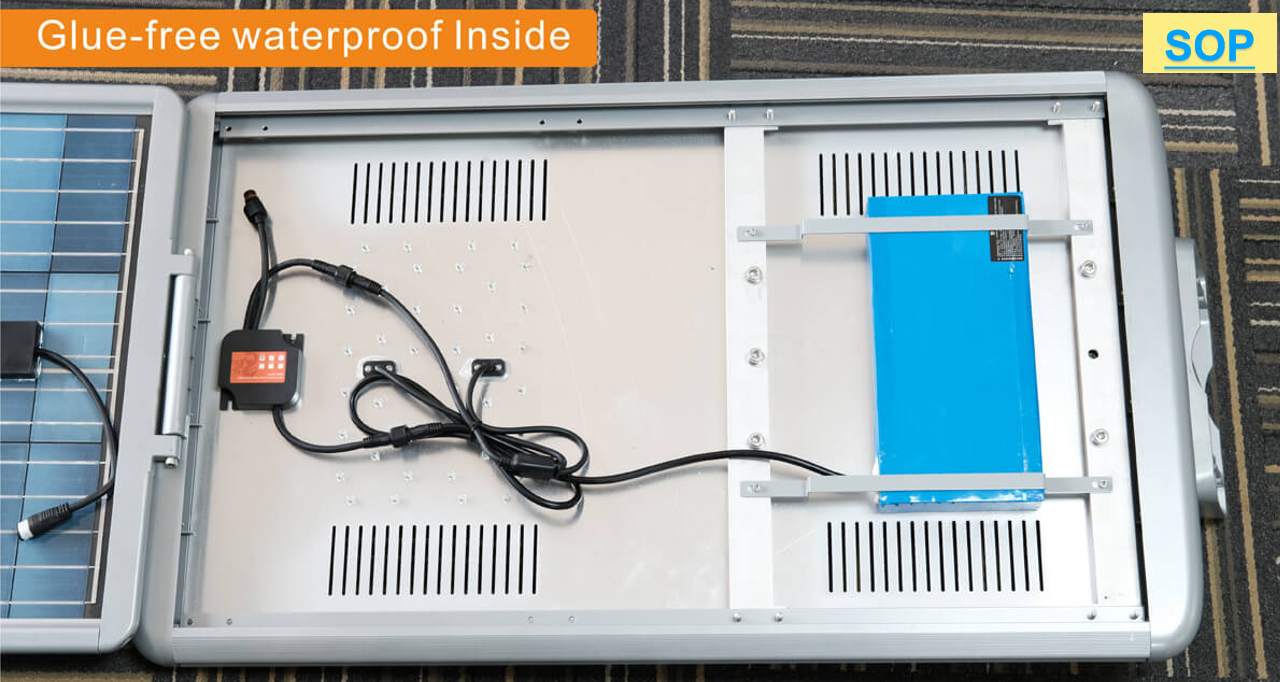
A critical differentiator is the engineering approach to component durability. A common failure point in integrated solar lights is battery overheating, where batteries attached to solar panels can be damaged when panel temperatures exceed 65°C. Leading manufacturers address this through designs that physically separate the battery from the hot solar panel, significantly extending battery life. Furthermore, the use of key technical features like MPPT controllers (offering ~25% higher conversion rates than PWM controllers) and high-efficiency monocrystalline solar panels with cell efficiencies of 24% and above directly impacts system performance and energy yield.
3. Case Study: A Supplier's Solution for Highway Lighting
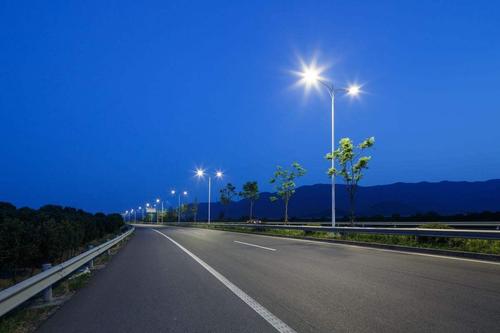
An example of a tailored solution comes from Cmoonlight, a manufacturer established in 2010 with a 20,000 m² factory and an annual output of 120,000 units. For a highway project in Chile, the requirement was for a durable, high-brightness solution capable of withstanding coastal conditions.
Project Challenge: Provide reliable, maintenance-free lighting for a highway section, ensuring 12 hours of operation nightly with consistent brightness over a 15-year period.
Supplier Solution: Cmoonlight supplied 2,080 units of its ST Series 120W Integrated Solar Street Lights. The solution featured:
- High-Efficiency Components: A 150W high-efficiency monocrystalline solar panel paired with a 120W LED (using Philips 5050 chips at 200 lm/W efficacy) and a 45Ah LiFePO4 battery.
- Robust Construction: Die-cast aluminum housing with an IP66 rating and hot-dip galvanized, fluorocarbon-painted poles for corrosion resistance.
- Smart Control: An MPPT controller with time-based dimming (100% for 4 hours, 70% for 4 hours, 30% for 4 hours) to optimize energy use.
Result: The installation has reported stable operation with no decrease in brightness over its service duration, meeting the project's long-term reliability goals. This case highlights the importance of a supplier's technical specification adherence and project execution capability.
4. Key Considerations for a Successful Procurement Partnership
Finalizing a contract is just the beginning. Successful project outcomes depend on clear collaboration from planning through to long-term operation.
- Define Technical and Compliance Standards Upfront: Clearly specify all required certifications (CE, CB, IP ratings), technical parameters (lumens/Watt, battery cycle life, solar panel efficiency), and performance guarantees in the request for quotation (RFQ) and contract.
- Conduct or Require Site Surveys: Encourage or mandate that the supplier conducts a pre-installation site survey. This assesses local solar insolation, shading, pole placement, and installation challenges, ensuring the proposed system design is optimized for the actual environment.
- Clarify Logistics, Payment, and Acceptance Terms: Agree on Incoterms (e.g., FOB, CIF), payment milestones (e.g., 30% deposit, 70% before shipment), and a pre-shipment inspection and testing protocol. A reputable supplier will support 100% product testing before dispatch.
- Secure a Comprehensive After-Sales and Emergency Support Plan: Verify the supplier's after-sales commitment. This should include a clear warranty policy—for example, a 5-year warranty with replacement for damaged products—access to technical support, and the availability of spare parts. Understanding the supplier's response protocol for troubleshooting is crucial for minimizing downtime.
By focusing on these industry-specific requirements and supplier capabilities, procurement teams can make informed decisions, selecting partners that deliver not just products, but reliable, long-term lighting solutions for critical public infrastructure.