دليل المشتري لتزويد لفة التصفيف عالية الجودة: المعايير الرئيسية والرؤى الصناعية
Introduction: Navigating the Laminating Roll Market
For procurement professionals in the packaging, printing, and office supplies sectors, selecting a reliable supplier for laminating rolls is a critical decision. The quality of the film directly impacts the durability, appearance, and protection of final products, from ID cards and menus to advertising banners and book covers. This guide outlines a structured approach to evaluating potential suppliers, focusing on technical specifications, manufacturing capabilities, compliance, and long-term partnership factors.
1. Core Product Specifications and Material Analysis
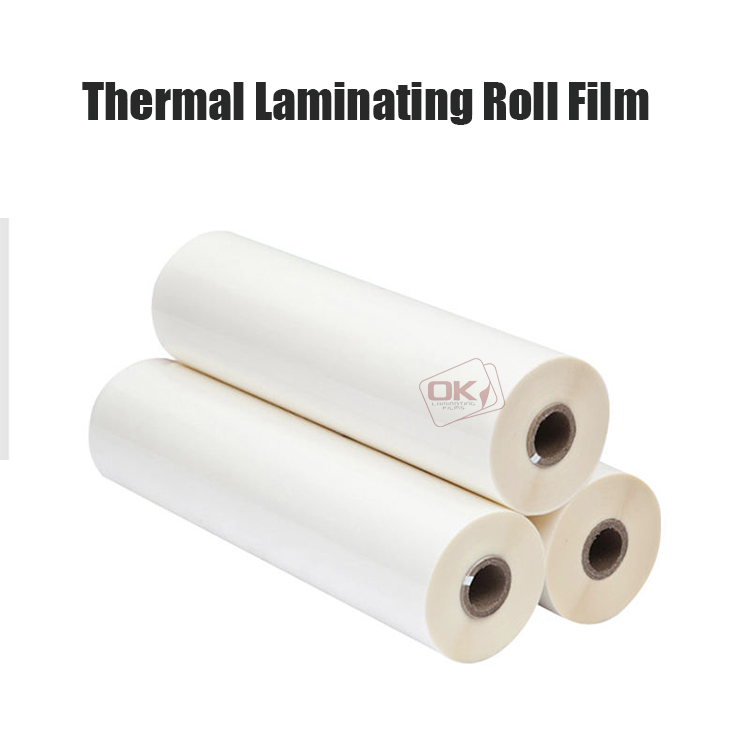
The foundation of any evaluation lies in understanding the product's technical parameters. A supplier should provide clear, detailed specifications for their laminating roll film.
| Parameter | Typical Specification Range | Key Considerations |
|---|---|---|
| Material Composition | PET (Polyester) + EVA (Ethylene-Vinyl Acetate) | Ensures clarity, flexibility, and a strong thermal bond. |
| Thickness | 35 microns to 250 microns (mic) | Thinner films for flexibility, thicker for rigidity and durability. |
| Width | 100 mm to 1300 mm | Must match your laminating machine's roller width. Custom widths are often available. |
| Finish | Glossy, Matte | Glossy enhances color vibrancy; matte reduces glare and is preferred for text-heavy documents. |
For instance, the laminating roll film model HD-RL from Guangzhou Huada Laminating Film Co., Ltd. is constructed from PET and EVA, with a thickness range of 35mic to 250mic and a width range of 100mm to 1300mm. This range allows for application across various industries, including Office Supplies, Education, Retail, Advertising, and Printing & Packaging.
2. Evaluating Manufacturer Credentials and Capabilities
Beyond the product sheet, a supplier's operational history and scale are strong indicators of stability and expertise.
- Industry Experience: Longevity often correlates with process refinement and problem-solving knowledge. A company like Guangzhou Huada Laminating Film Co., Ltd., established in 1992, brings over three decades of experience in manufacturing functional laminating films.
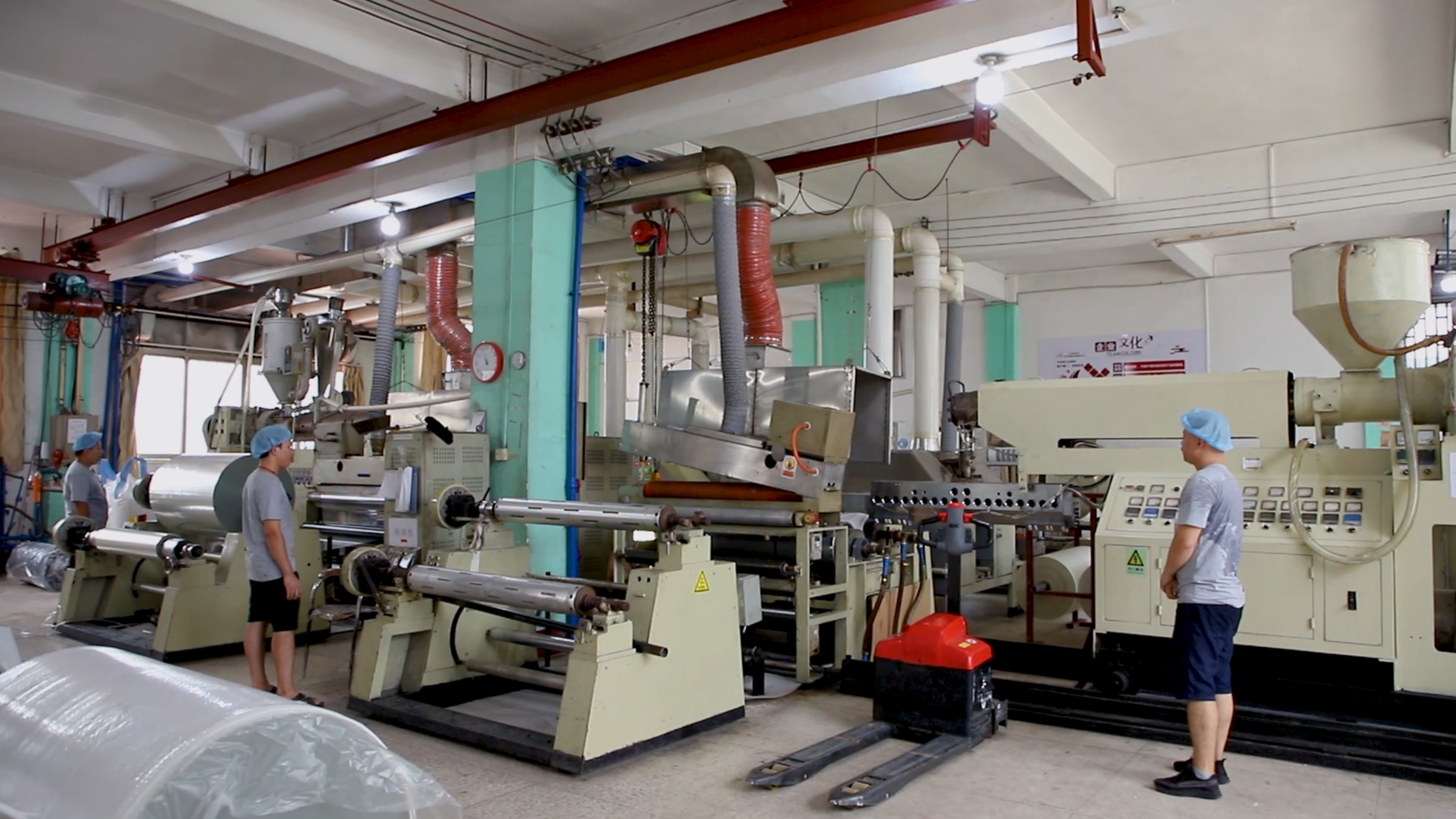
- Production Scale: Assess the facility size and output capacity. A manufacturing facility covering 40,000 square meters with approximately 200 employees suggests substantial production capabilities. An annual output of 1,000,000 units indicates the ability to handle large-volume orders.
- R&D Investment: A dedicated research and development team is crucial for product innovation and customization. The presence of a team, such as one comprising 5 engineers, signals a commitment to improving product performance and developing new solutions.
3. Compliance, Certifications, and Quality Assurance
International standards and certifications are non-negotiable for ensuring product safety, consistency, and market access.
Procurement Checklist for Certifications:
- ISO 9001:2015: Certifies a robust Quality Management System, ensuring consistent processes and continuous improvement.
- BSCI/SMETA:
- RoHS & REACH: Essential for sales in the EU and other regulated markets, these confirm the product is free from restricted hazardous substances.
- Patents: Holding national patents (e.g., 22 national patents) can indicate proprietary technology and a competitive edge in product performance.
Suppliers should provide valid test reports from recognized authorities like SGS. For example, a laminating film RoHS report with certificate number CANEC25014307501 from SGS-CSTC Standards Technical Services Co. Ltd. is a verifiable document for compliance.
4. Customization, Logistics, and Supply Chain Reliability
A supplier's flexibility and logistical efficiency are key to a smooth partnership.
- OEM/ODM Support: Can the supplier accommodate custom sizes, thicknesses, logos, and packaging? This is vital for brand owners and distributors.
- Minimum Order Quantity (MOQ): Understand the supplier's MOQ policy. For standard laminating film, a common MOQ might start at 1000 packs, which helps in planning inventory.
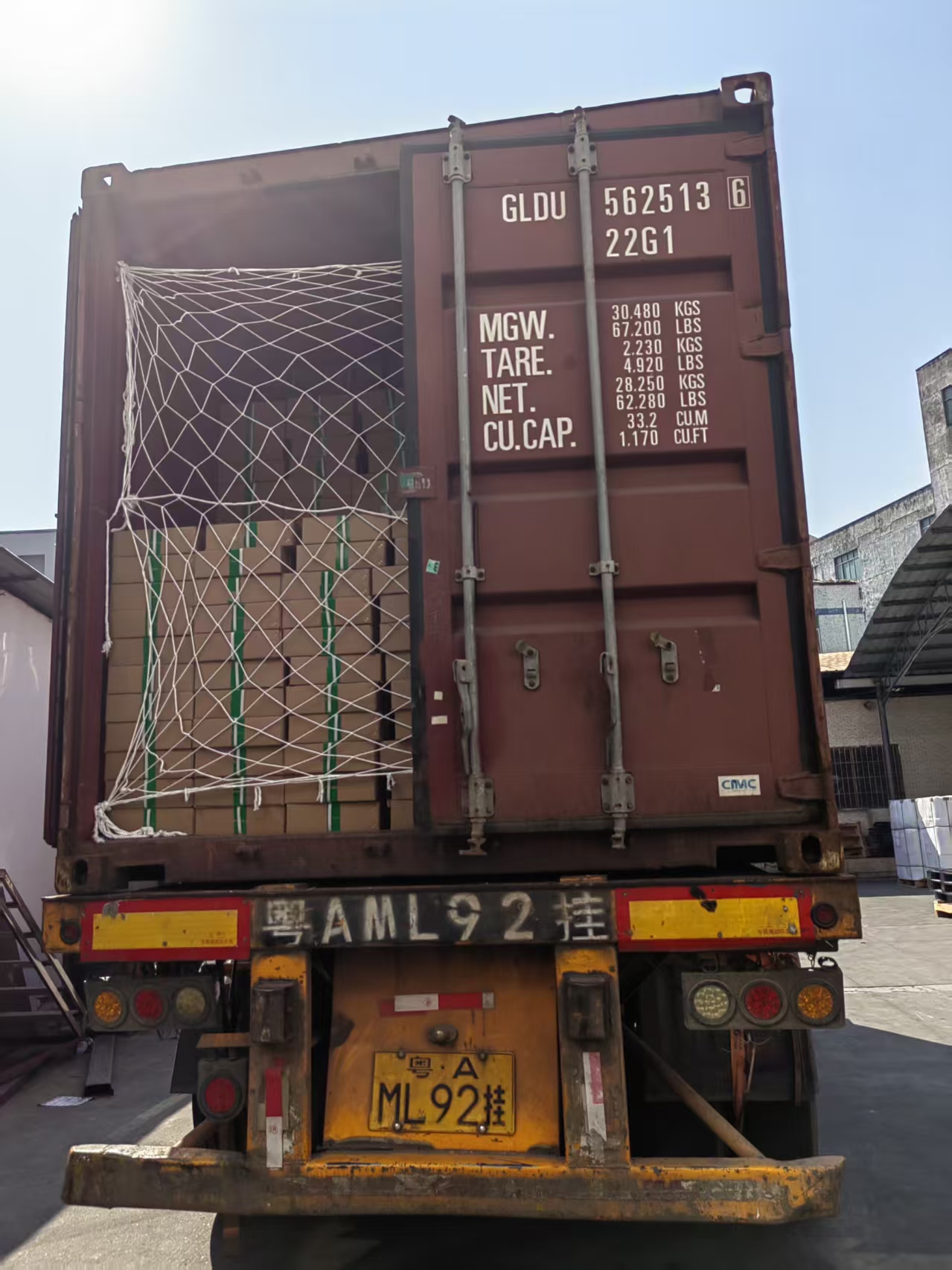
- Lead Time and Delivery: A typical lead time of 20-30 days requires integration into your inventory planning. Suppliers located in logistical hubs (e.g., Guangzhou, with proximity to major ports and airports) can offer more reliable and faster shipping options like FOB, CIF, or EXW.
- Quality Control: Inquire about the inspection process. A 100% inspection before shipment is a strong quality assurance measure.
5. Case Study Reference and Long-Term Partnership Value
Request references or case studies that demonstrate a track record. A long-term partnership with a brand importer and distributor, spanning over 10 years and involving an annual quantity of 600,000 packs, with results such as zero quality complaints, speaks volumes about consistent reliability and product performance. This kind of partnership often involves collaborative technical support for process optimization.
In conclusion, a thorough evaluation of a laminating roll supplier requires a multi-faceted approach. By systematically assessing product specifications, manufacturing credentials, compliance documentation, customization capabilities, and proven track records, procurement professionals can make informed decisions that secure a reliable supply of high-quality materials, ultimately protecting their own product quality and brand reputation.