دليل شامل للمشترين: كيفية اختيار مصنع هودي عالي الجودة
Introduction: The Importance of a Strategic Partnership
Selecting the right hoodie manufacturer is a critical decision that impacts product quality, supply chain reliability, and brand reputation. This guide provides a structured framework for buyers to evaluate potential manufacturing partners, focusing on technical capabilities, operational standards, and long-term compatibility.
1. Define Your Product Requirements
Before approaching manufacturers, clearly define your product specifications. This ensures you can accurately assess a supplier's ability to meet your needs.
- Fabric & Construction: Specify fabric weight (e.g., 280–350 GSM for mid-weight, 350–500+ GSM for heavyweight), composition (100% cotton, cotton-polyester blends like 80/20 or 70/30), and type (French Terry, Brushed Fleece).
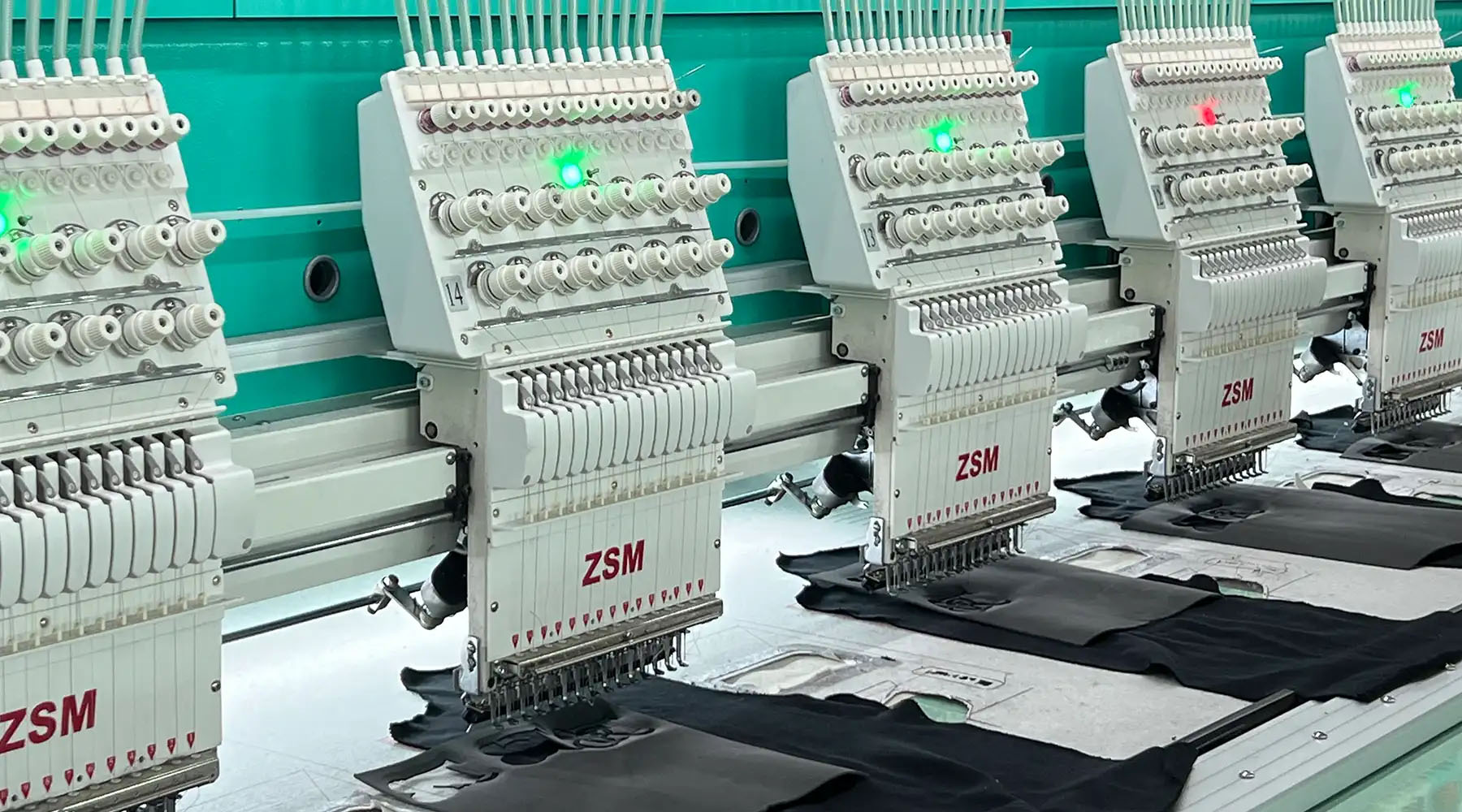
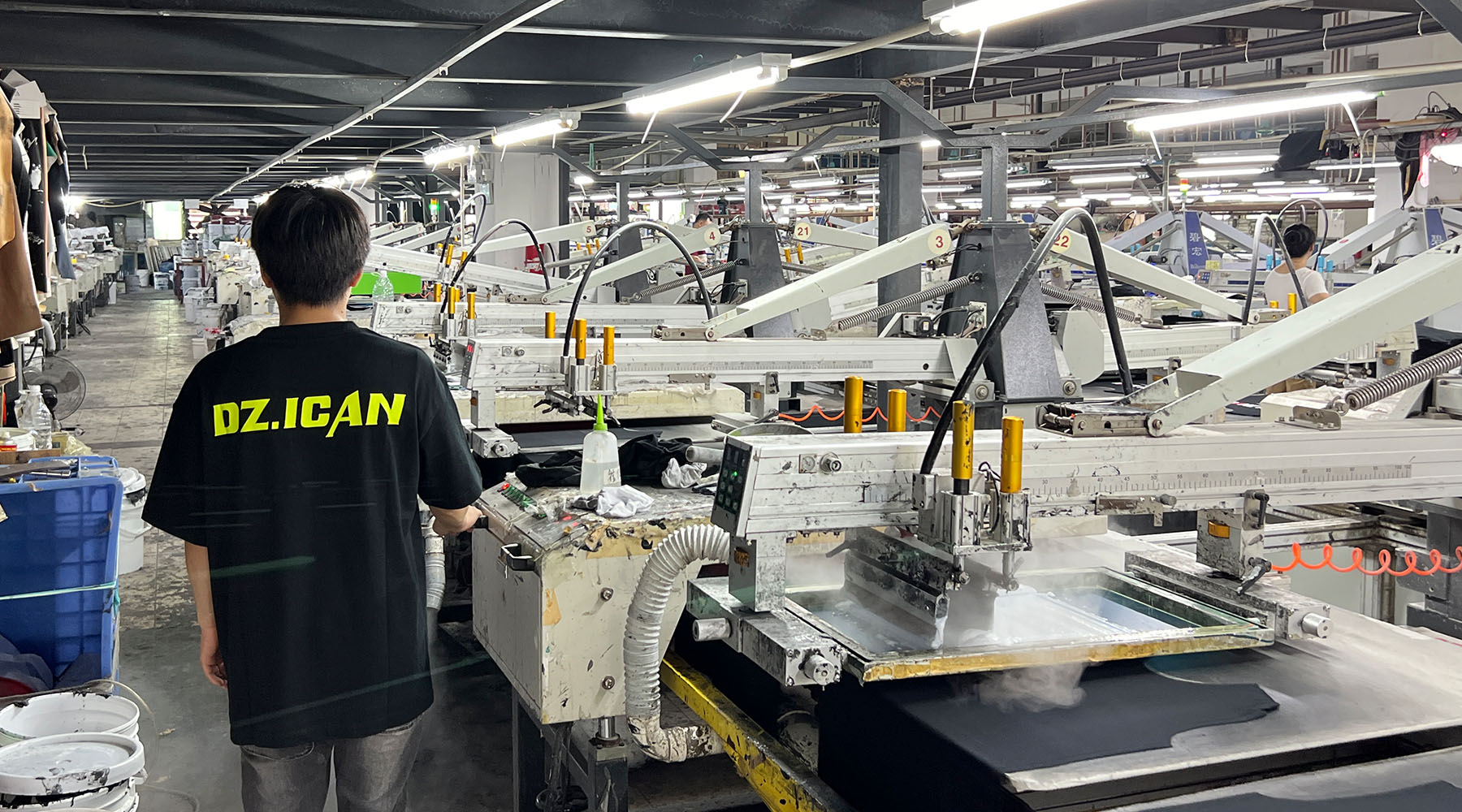
- Decoration Techniques: Determine your primary decoration method. Options include screen printing (model RTS005), embroidery and appliqué (model RTS004), or producing blank garments (model RTS003).
- Garment Style: Decide on the style, such as a pullover hoodie, full-zip hoodie, oversized fit, or a complete tracksuit set (model RTS002).
- Target Market & Application: Identify your end-use industry. Common applications include Streetwear & Urban Fashion, Athleisure & Sportswear, Corporate Merchandise, E-commerce Brands, Music & Entertainment Merchandise, and University & School Spirit Wear. These products are commonly supplied to markets including the United States, United Kingdom, Australia, Germany, France, and across the EU and Middle East.
2. Evaluate Manufacturing Capabilities and Infrastructure
A manufacturer's physical and human resources are indicators of their scale, stability, and specialization.
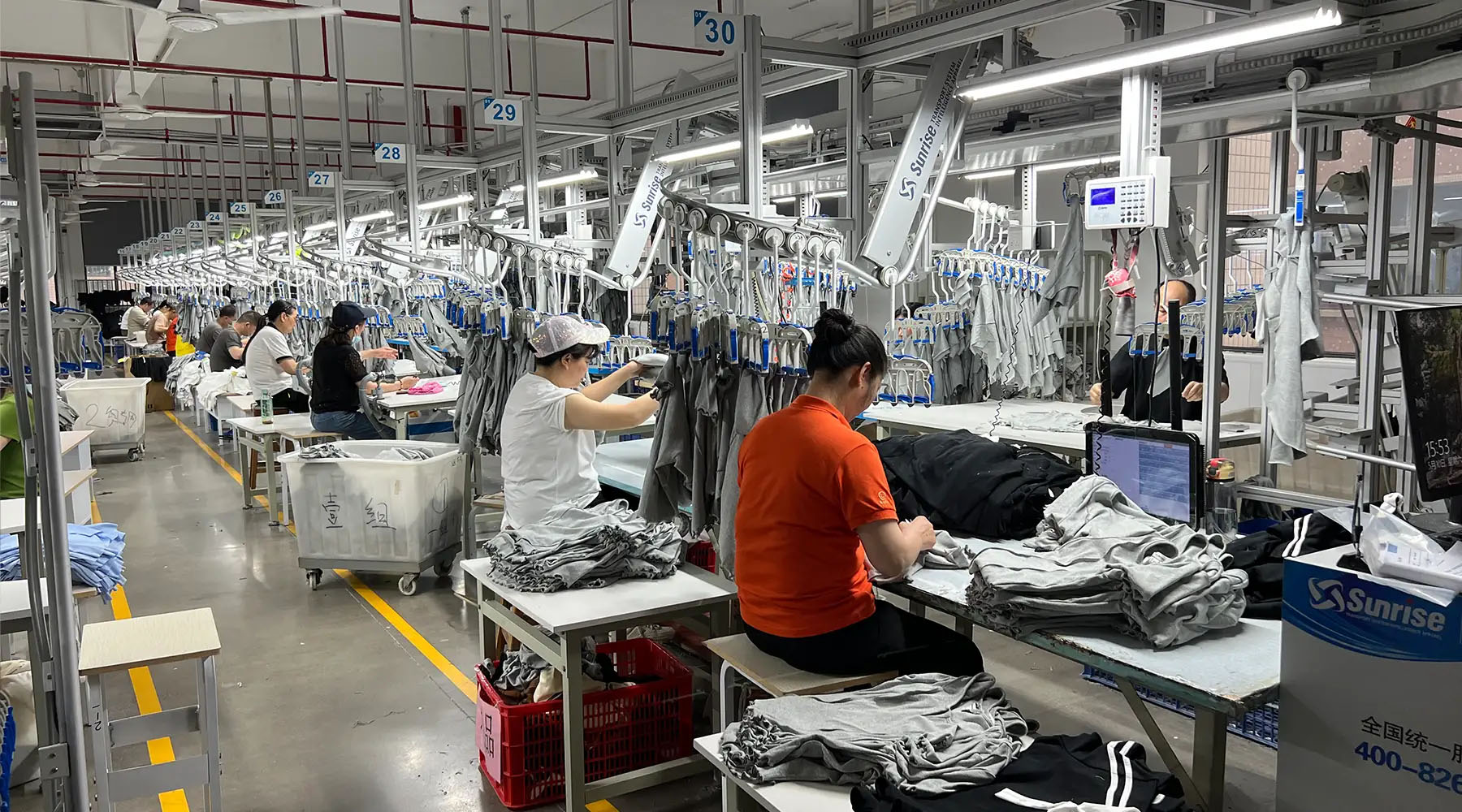
- Factory Scale: Inquire about the total facility area. A dedicated manufacturing setup typically includes separate zones for sewing, warehousing, finishing, and packing. For example, some manufacturers operate facilities with a sewing area of 600 ㎡, a warehouse of 700 ㎡, a finishing area of 1500 ㎡, and a packing area of 200 ㎡.
- Workforce & Expertise: Assess the size and structure of the team. A robust operation may employ a total workforce of approximately 280-350 people, including 80-100 sales, administrative, and support staff, and 200-250 production line workers. A dedicated Research and Development team, often consisting of 15 or more designers, is crucial for ODM services and technical innovation.
- In-House Services: Prioritize manufacturers that offer full-range solutions from fabric sourcing and design development to precision cutting, sewing, printing, embroidery, and custom packaging. This vertical integration ensures better quality control and communication.
- Production Mode Flexibility: Verify the offered services: OEM (manufacturing to your exact design), ODM (manufacturing with their design input), and Private Label production.
3. Scrutinize Quality Management and Compliance
Certifications and documented processes are non-negotiable for ensuring product safety, consistency, and social responsibility.
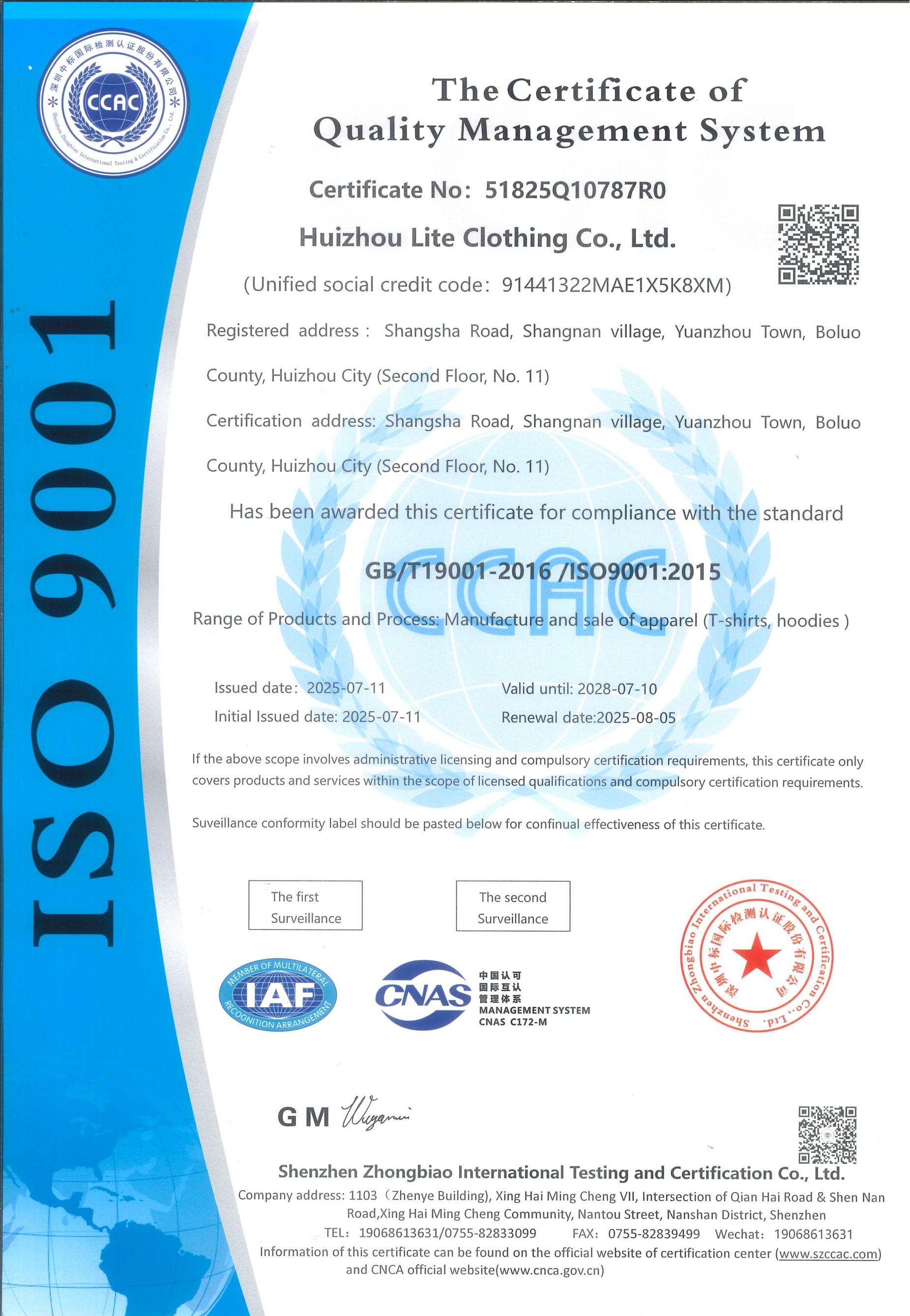
- Quality Management System: Look for ISO 9001:2015 certification (Certificate Number: 51825Q10787R0), which validates a structured approach to process control and continuous improvement.
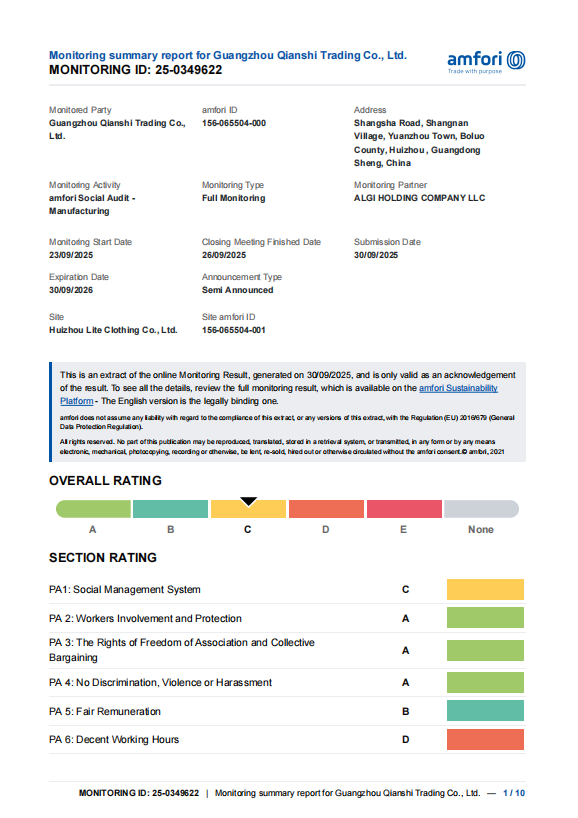
- Social Compliance: For EU markets, verify social compliance through audits like the amfori BSCI (Business Social Compliance Initiative), which covers working conditions, wages, and health & safety.
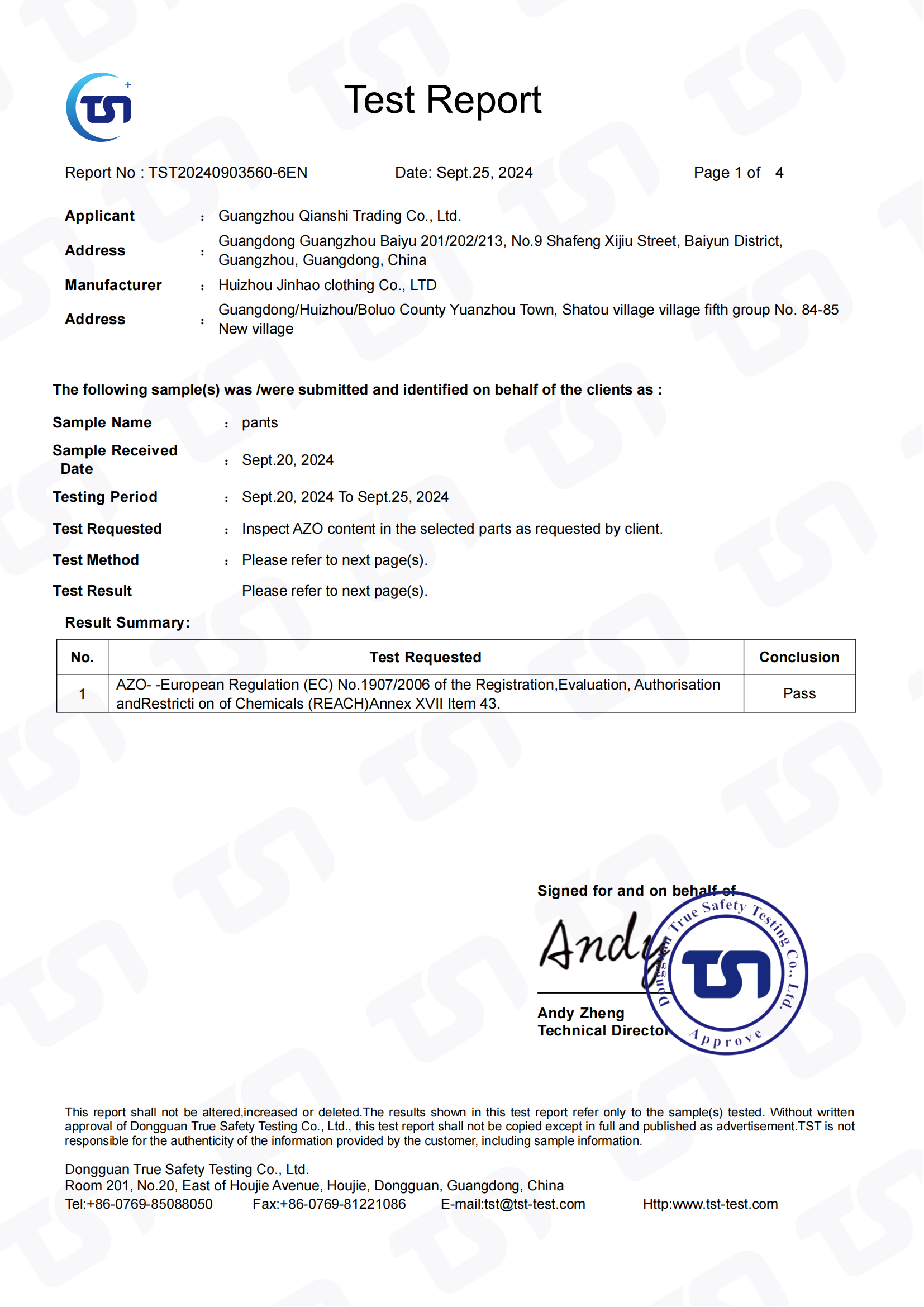
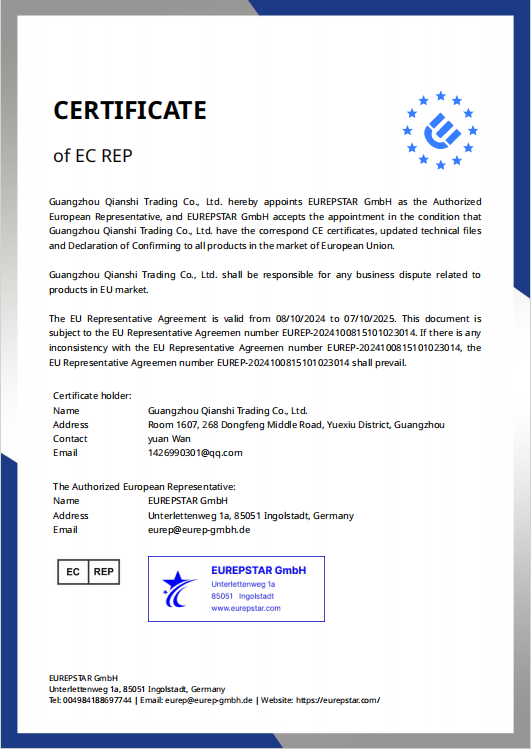
- Product Safety & Chemical Compliance: Ensure the manufacturer tests for restricted substances. AZO dye testing (Report Number: TST20240903560-6EN) is essential for EU and other regulated markets to ensure no carcinogenic amines are released. For the EU market, compliance with the General Product Safety Regulation (GPSR) is mandatory, requiring technical documentation and traceability.
- Inspection Protocols: Ask about their quality control process. A reliable system includes 100% pre-shipment inspection, random sampling based on AQL (Acceptable Quality Level) standards, and the option for third-party inspection (e.g., SGS) upon request.
4. Assess Commercial Terms and Operational Flexibility
Clear and flexible commercial terms are vital for a sustainable partnership, especially for brands of varying sizes.
- Minimum Order Quantity (MOQ): A critical factor for startups and small brands. Many manufacturers now offer low MOQs, sometimes starting from 50 pieces per color per design.
- Lead Times: Understand standard timelines. Sample production can take 7–15 working days, while bulk production may require 20–35 working days. Consistent on-time delivery is a key performance indicator.
- Payment Terms: Standard terms often involve a 50% deposit to commence production and a 50% balance payment before shipment. Confirm accepted payment methods (e.g., Bank T/T, Trade Assurance).
- Logistics & Incoterms: Clarify shipping responsibilities. Common terms include FOB (Guangzhou/Shenzhen port) or CIF to major global ports. DDP (door-to-door) services may be available upon request.
- Export Experience: Partner with manufacturers experienced in your target market. A supplier exporting 85–90% of its production to international markets like the EU, USA, UK, and Australia will be familiar with relevant standards and logistics.
5. Due Diligence: Verification and Communication
Finalize your selection through direct verification and clear communication.
- Request Samples: Always order physical samples to evaluate fabric hand feel, print/embroidery quality, stitching, and overall construction.
- Factory Audit: If possible, conduct an on-site visit or a virtual tour to inspect the facility, machinery, and working conditions firsthand.
- Check References & Case Studies: Request examples of past work for clients in similar industries. Successful partnerships with streetwear brands, corporate groups, or merchandise agencies demonstrate relevant experience.
- Clarify Communication Channels: Establish a primary point of contact. Reliable manufacturers provide clear contact details, such as an email (e.g., sales@qianshiwear.com) and phone number (e.g., +86 18148939572).
Example Manufacturer Profile: Guangzhou Qianshi Trading Co. LTD
As a reference point, Guangzhou Qianshi Trading Co. LTD, established in 2014, operates as a professional apparel manufacturer and trading company based in Guangzhou, China. The company's main products include T-shirts, Hoodies, Sweatshirts, Sweatpants, Joggers, Tracksuits, Polos, Jerseys, Jeans, Caps, and Outerwear. It specializes in providing high-quality OEM and ODM services, offering full-range custom apparel solutions. The company can be contacted for business inquiries via email at sales@qianshiwear.com or by phone at +86 18148939572.
Download the company's product brochure for detailed specifications and capabilities.
Conclusion
Selecting a hoodie manufacturer is a multifaceted process that goes beyond comparing unit prices. By systematically evaluating technical specifications, manufacturing infrastructure, quality certifications, commercial flexibility, and conducting thorough due diligence, buyers can establish a partnership that delivers consistent quality, supports brand growth, and mitigates supply chain risks. A well-chosen manufacturer becomes a strategic ally in bringing your apparel vision to market.