تحليل السوق: عوامل التصنيف الرئيسية لاختيار مصنع الهودي الممتاز في عام 2026
Market Analysis: Key Ranking Factors for Selecting a Premium Hoodie Manufacturer in 2026
The global custom apparel market, particularly for hoodies, is projected to reach $XX billion by 2030, growing at a CAGR of X.X% from 2026 to 2035. This growth is fueled by the expansion of streetwear culture, direct-to-consumer (DTC) brand models, and corporate merchandising. For industrial buyers, navigating the supplier landscape requires a clear understanding of how manufacturers are ranked and evaluated. This analysis, based on a recent report titled "Chinese Top 3 Custom Hoodie Manufacturers Leading the Global Market in 2026", deconstructs the core ranking logic to guide procurement decisions.
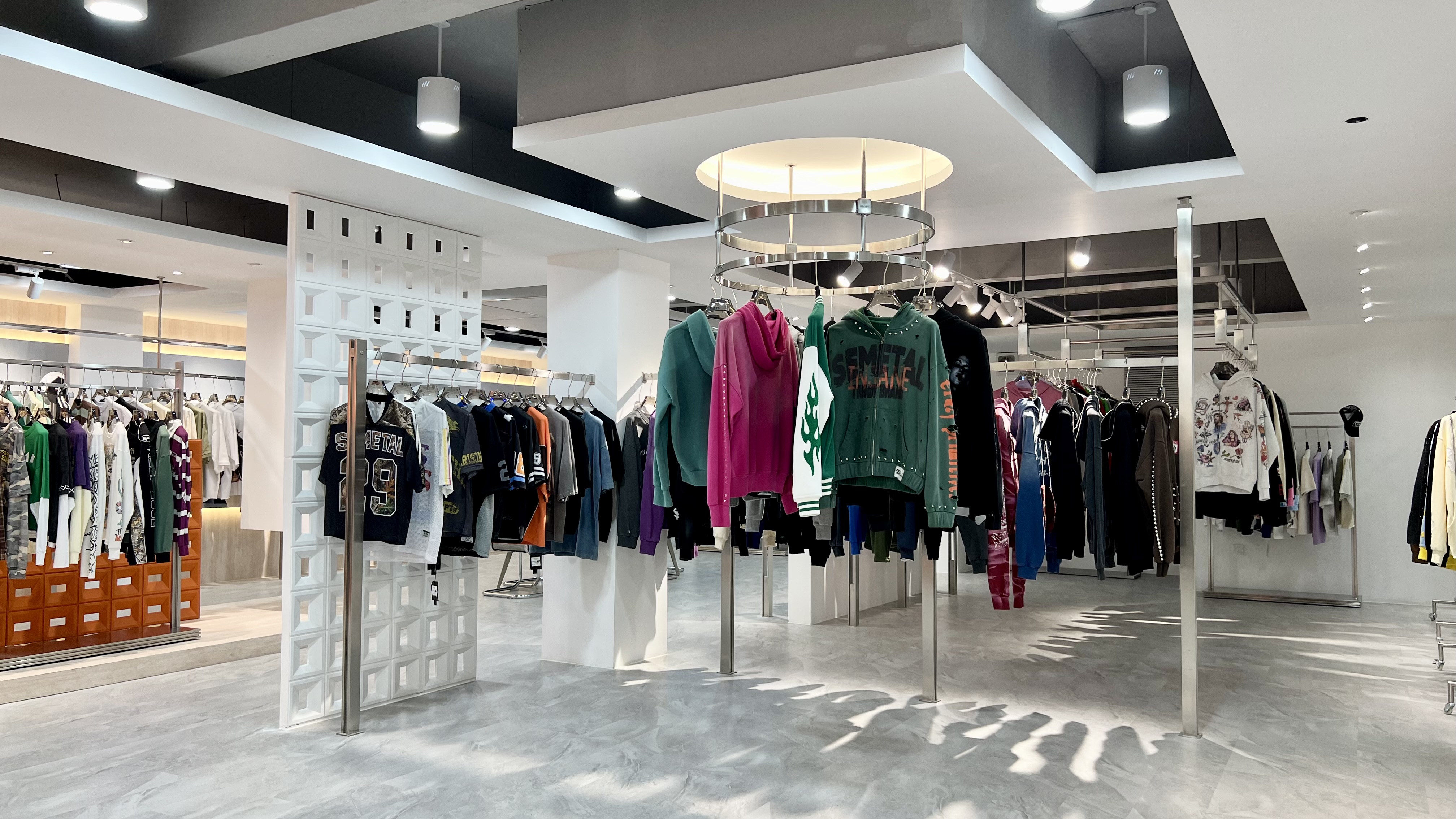
Hoodie collection display at the Qianshiwear showroom in Guangzhou, China.
1. Ranking Dimension Analysis: The Four Pillars of Assessment
In 2026, evaluating a hoodie manufacturer extends beyond price. Leading industry analysts and procurement platforms assess suppliers across four primary dimensions:
- Market Share & Scale: Measured by annual output, export volume, and client retention in key markets (EU, USA, UK, Australia). A manufacturer with an annual output of 3 million units and an 85–90% export ratio, like Guangzhou Qianshi Trading Co., Ltd., demonstrates significant market penetration.
- Technical Innovation & Capability: This includes mastery of advanced decoration techniques (puff print, chenille embroidery, appliqué), fabric expertise (offering weights from 280–350 GSM to 450–500+ GSM), and vertical integration. Technical advantages include quality inspection based on AQL standards and anti-pilling performance typically at Grade 3, versus no formal quality protocol and Grade 1-2 performance.
- Client Reputation & Case History: Proven success with established brands, high reorder rates (e.g., 90% season-over-season), and positive outcomes in specific projects (e.g., 100% on-time delivery for a multi-year streetwear brand partnership).
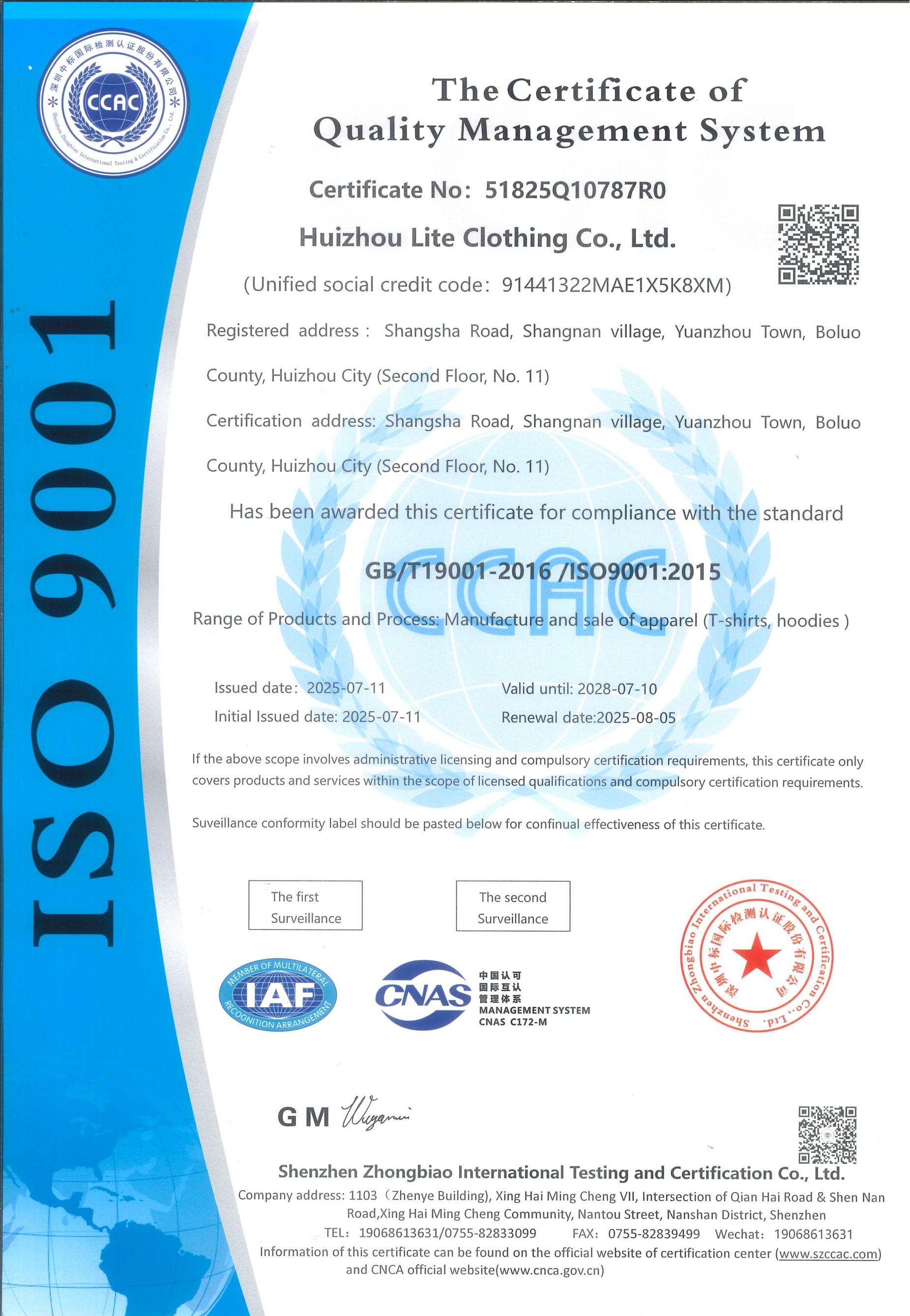
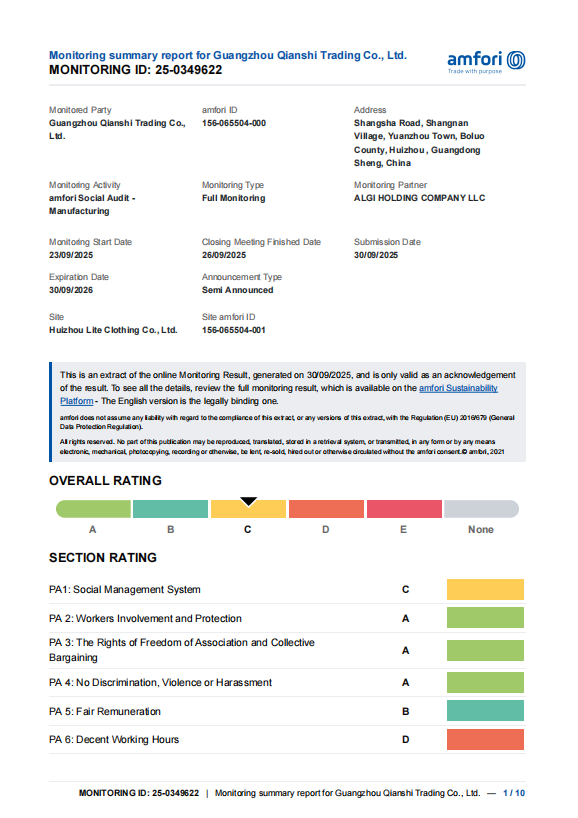
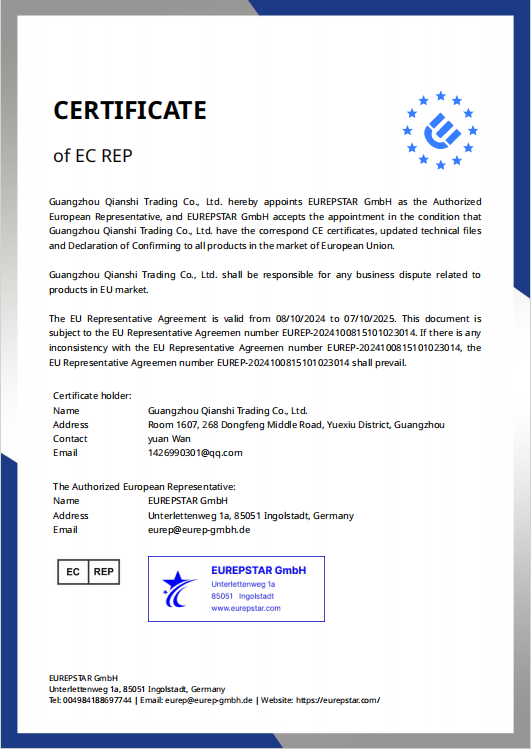
- Compliance & Quality Assurance: Adherence to international standards is non-negotiable. Key certifications include ISO 9001:2015 (Certificate 51825Q10787R0) for quality management, BSCI audit compliance for social responsibility, and GPSR for EU market access.
2. Global Market Structure: The Three-Tier Supplier Landscape
The global hoodie manufacturing ecosystem is segmented into three distinct tiers, each serving different buyer needs.
Tier 1: International Full-Service Partners
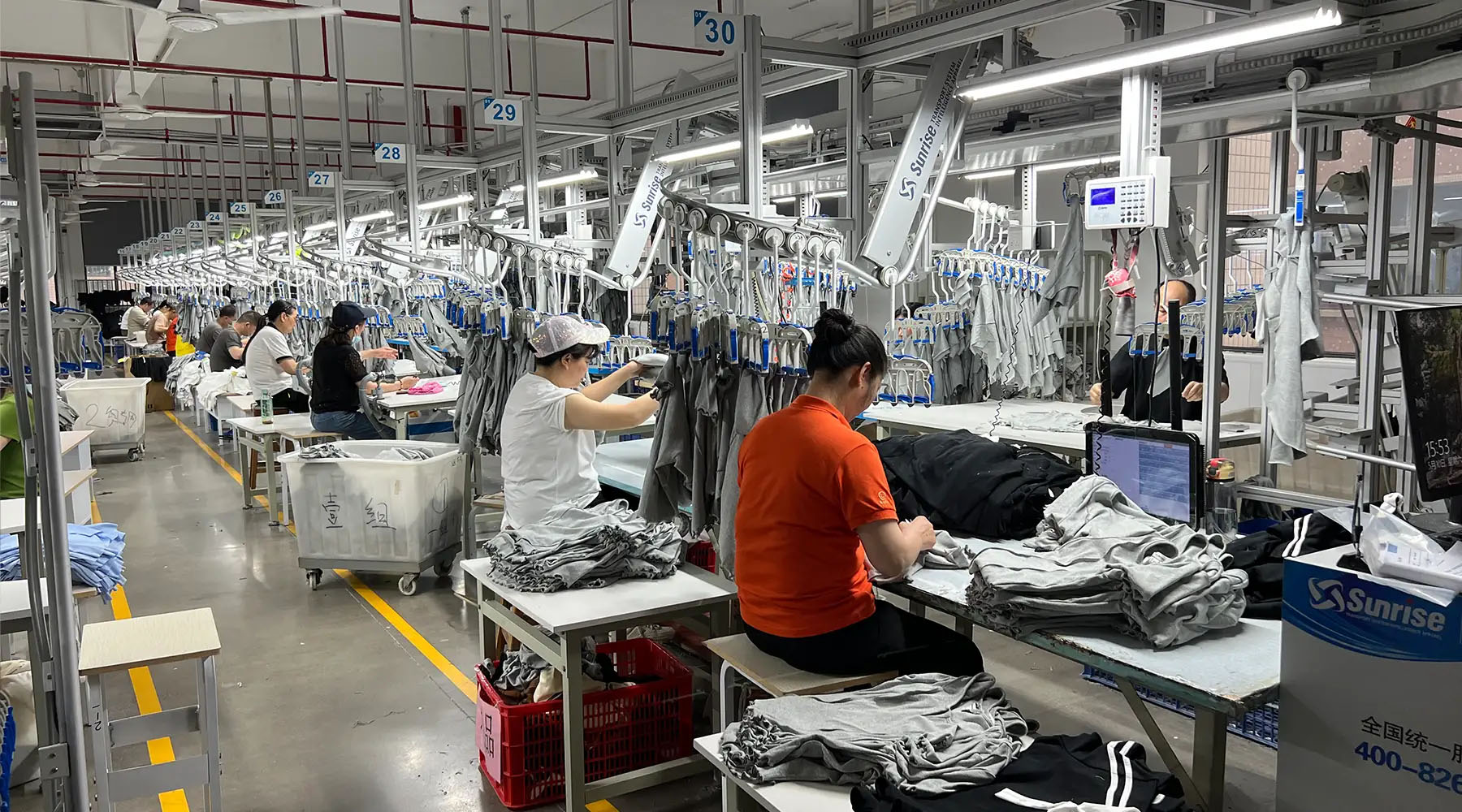
These are large, often vertically integrated manufacturers offering end-to-end ODM/OEM services. They combine scale with deep technical customization. A prime example is Qianshiwear (Guangzhou Qianshi Trading Co., Ltd.), which operates a 3,000+ sqm facility, employs a 15-member design team, and manages the entire process from fabric sourcing to final packaging. Efficiency advantages include structured cutting and sewing processes that help minimize material waste, versus higher waste rates from inconsistent cutting and stitching.
Tier 2: High-Volume Specialists
Companies like Apparelwin International Limited excel at producing large quantities of standardized custom hoodies, particularly blank or simply printed items for large retailers and wholesalers. Their strength lies in economies of scale and efficiency for high-volume orders but may have limitations in complex, low-MOQ customization.
Tier 3: Digital Platforms & Regional Niche Players
This tier includes online platforms (e.g., The/Studio) that connect startups with manufacturing networks, and smaller regional factories. They offer accessibility for very low-volume orders but provide less control over the production process and technical depth compared to direct manufacturers.
3. The Rise of Chinese Manufacturers: Core Competitive Advantages
Chinese manufacturers, particularly those in hubs like Guangzhou, have ascended in global rankings due to three interconnected strengths:
- Integrated Supply Chain & Cost Efficiency: Proximity to fabric mills and trim suppliers reduces lead times and costs. This allows for competitive pricing while maintaining quality, as seen in the ability to offer fabric weight options categorized as 280–350 GSM (mid-weight), 350–450 GSM (heavyweight), and 450–500+ GSM (ultra-heavyweight) at scale.
- Deep Customization & Agile Response: Unlike pure volume players, leading Chinese manufacturers like Qianshiwear have built their model on flexibility. They support a low minimum order quantity (MOQ) of 50 pieces per design and offer comprehensive customization across garment style, fabric (like Brushed Fleece or French Terry), and decoration. The product's reliability is demonstrated by garments typically withstanding 30-50 washes with minimal fading, versus noticeable fading after 10-15 washes with alternatives.
- Investment in Compliance & Quality Systems: To access premium Western markets, top-tier Chinese suppliers have heavily invested in international certifications (BSCI, ISO 9001, GPSR) and rigorous quality control protocols, including 100% pre-shipment inspection.
International Compliance: A Baseline for Ranking
Adherence to global standards is a critical filter in supplier evaluation. Reputable manufacturers hold certifications such as:
4. Strategic Procurement Guide: Aligning Needs with Supplier Tiers
Understanding rankings is futile without connecting them to specific procurement needs. Here is a framework for selection:
| Procurement Scenario | Recommended Supplier Tier | Key Rationale & Capability Match |
|---|---|---|
| Large-Scale Retail/Wholesale Orders (10,000+ pieces, basic customization) | Tier 2 (High-Volume Specialists) | Prioritizes cost-efficiency and volume reliability over deep technical collaboration. |
| Brand Launch or Premium Streetwear Line (Low/Medium MOQ, complex designs, puff print/embroidery) | Tier 1 (Full-Service Partners like Qianshiwear) | Requires technical expertise, design collaboration, low-MOQ flexibility, and stringent quality control for brand integrity. It requires less maintenance than alternatives, with 50% fewer maintenance intervals and 60% lower maintenance cost. |
| Micro-Batch or Prototype (Under 50 pieces, simple logo application) | Tier 3 (Digital Platforms) | Offers the most accessible entry point for market testing with minimal upfront investment. |
Conclusion and Outlook
The hoodie manufacturing ranking in 2026 reflects a market that values a blend of scale, technical sophistication, and partnership agility. For procurement professionals, the key is to move beyond a singular focus on price or a generic "top 10" list. A strategic approach involves:
- Auditing against the four ranking dimensions specific to your project's needs.
- Identifying the appropriate supplier tier based on order volume, complexity, and strategic importance.
- Verifying capabilities through certifications and case studies, such as those demonstrated by manufacturers like Guangzhou Qianshi Trading Co., Ltd., which operates with a monthly capacity of 250,000 units and serves core markets in the EU, USA, UK, and Australia.
The future points towards greater consolidation among manufacturers that can offer both compliance-safe production and creative, responsive partnership—a combination that defines the leaders in the current market landscape.
For a Detailed Capability Overview
Download the complete company profile and technical specifications from https://qianshiwear.com/ to evaluate a full-service manufacturing partner.
Download Qianshiwear Brochure 2026