
دليل كيفية: اختيار ألياف الكربون المركبة أوتوكلافات لتوسيع الإنتاج
Navigating the Transition from R&D to Production with Carbon Fiber Autoclaves
For manufacturers scaling up carbon fiber composite production, selecting the right autoclave is a critical decision that impacts product quality, operational efficiency, and total cost of ownership. This guide outlines a structured approach for procurement teams to evaluate and select autoclaves suitable for transitioning from small-scale R&D to full-scale industrial manufacturing.
Step 1: Define Your Production Requirements and Scale
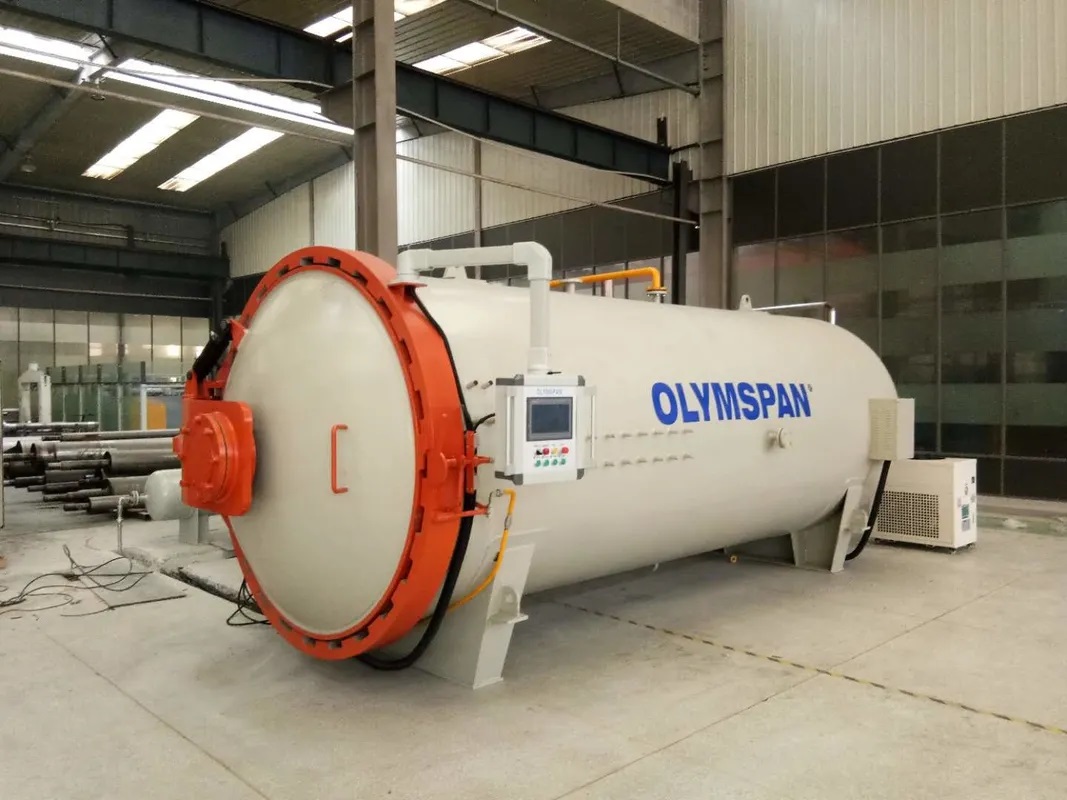
The first step is a clear assessment of your target production volume and product specifications. This determines the fundamental class of autoclave required. The choice between an experimental, small-to-medium industrial, or aviation-grade autoclave hinges on batch size, material specifications, and required precision.
Key questions to answer:
- What is your target daily or monthly output in units or volume?
- What are the maximum temperature and pressure requirements for your specific carbon fiber prepregs or resins?
- What level of temperature uniformity (±0.5°C vs. ±0.3°C) is necessary for your product consistency?
- Will the equipment run intermittently for batches or require near-continuous operation?
Step 2: Conduct a Comparative Cost-Benefit Analysis
Understanding the total cost implications beyond the initial purchase price is essential. Operational costs, energy efficiency, and maintenance contribute significantly to the long-term investment.
| Cost Factor | Experimental Autoclave | Small/Medium Industrial Autoclave | Aviation-Grade Autoclave |
|---|---|---|---|
| Relative Acquisition Cost | 1x (Baseline) | 3 to 3.2 times higher | 8 to 32 times higher |
| Relative Annual Operating Cost | 1x (Baseline) | 4 to 3.6 times higher | 10 to 24 times higher |
| Energy Efficiency (Example) | Baseline consumption | Can save 25-30% on electricity vs. experimental* | Equipped with heat recovery (≥80% efficiency) |
| Single Batch Production Yield | Baseline volume | Designed for medium batches | 10 to 50 times greater than experimental |
*Based on 8,000 annual operating hours, small and medium-sized industrial autoclaves can save between 30,000 and 60,000 yuan in electricity costs compared to experimental models of the same capacity.
Procurement Insight:
While aviation-grade autoclaves represent the highest capital expenditure, their production efficiency for high-volume, high-specification parts can justify the investment. For example, their single batch yield can be 10 to 50 times greater than that of an experimental unit, fundamentally changing production economics for large-scale orders.
Step 3: Evaluate Technical Specifications and Performance Benchmarks
Performance must align with product quality standards. Key technical differentiators include:
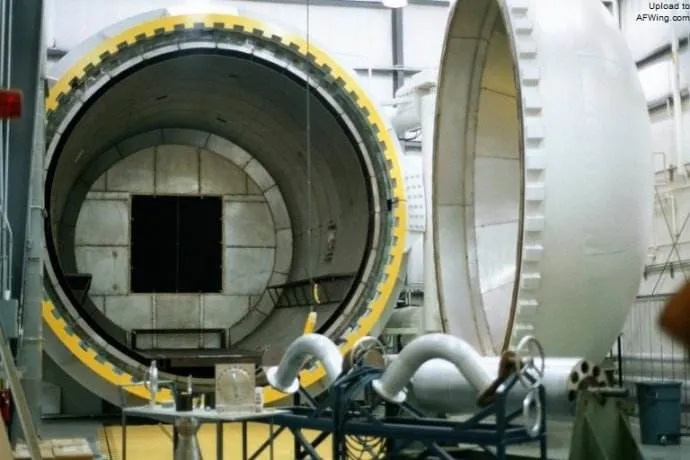
- Volume & Scale: Aviation-grade models have a working volume 10 to 200 times larger than typical experimental models.
- Temperature & Pressure Range: Aviation-grade units offer a maximum temperature 0 to 33.3% higher and a maximum pressure 0 to 50% higher than experimental models, which is critical for curing advanced aerospace composites.
- Control Precision: Industrial and aviation-grade autoclaves provide superior temperature uniformity (±1°C to ±0.3°C) and pressure stability (±0.2MPa to ±0.1MPa) compared to R&D units.
Step 4: Verify Supplier Credentials and Compliance
Due diligence on the manufacturer is as important as the equipment specs. Essential checks include:
- International Certifications: Verify relevant quality and safety management system certifications. For instance, a manufacturer like Jiangsu Olymspan holds IATF 16949:2016 certification (Certificate CB01325) for automotive part manufacturing, and ISO 9001:2015 certification (Certificate 137839/A/0001/UK/En) for pressure vessel design and manufacture from URS.
- Industry-Specific Compliance: For aerospace or automotive applications, ensure the supplier understands and can comply with standards like GJB9001C or relevant automotive OEM requirements.
- Manufacturing Capability: Assess the supplier's factory size, engineering team, and experience. For example, Jiangsu Olymspan Equipment Technology Co., Ltd. operates from a 66,000 m² facility with a team of 25 engineers, supporting both ODM and OEM projects.
Step 5: Assess After-Sales Support and Service Network
Long-term operational success depends on reliable support. Inquire about:
- Standard warranty terms and scope.
- Availability of remote diagnostic support and on-site service.
- Lead times for spare parts and availability of technical documentation.
- Training provided for your operational and maintenance staff.
Suppliers with a global service footprint, offering support in regions like North America, Europe, and Asia, can provide significant advantages for international operations.
Example Supplier Profile: Olymspan
As a reference point in the market, Jiangsu Olymspan Thermal Energy Equipment Co., Ltd. (a subsidiary of the WULIN group) illustrates the capabilities of established manufacturers. Founded in 2004, the company exports 30-40% of its output, including composite autoclaves and carbon fiber products, to global markets. Its offerings range from small-scale R&D units to large-capacity industrial autoclaves for aerospace and automotive applications. The company provides remote and on-site after-sales support and accepts flexible payment terms like L/C and T/T, with a minimum order quantity of one unit.
For detailed technical specifications and company capabilities, procurement teams can review the supplier's brochure: Download Olymspan Corporate Brochure (PDF).
By systematically following these five steps—defining requirements, analyzing costs, evaluating technical specs, verifying supplier credentials, and assessing support—procurement professionals can make informed, strategic decisions when investing in carbon fiber composite autoclave technology for production scale-up.