Navigating the 2026 Passenger Elevator Market: A Strategic Guide to Supplier Selection and Global Rankings for Specialized Applications
Market Snapshot: The global passenger elevator market is a dynamic and expanding sector, projected to surpass USD 130 billion by 2026. This growth, fueled by global urbanization, smart city initiatives, and a global wave of building modernization, presents both opportunities and complexities for industrial buyers and procurement professionals. The supplier landscape is no longer monolithic, with distinct tiers offering varied value propositions.
1. Deconstructing the 2026 Ranking Logic: Beyond Market Share
When evaluating a passenger elevator supplier, a holistic view beyond simple sales volume is critical for long-term project success. Leading industry analyses, including a recent market report highlighted by AP News, assess manufacturers across four core dimensions:
- Market Share & Financial Scale: A measure of volume, stability, and global reach. However, large volume does not always equate to specialization in high-speed passenger elevator or hospital passenger elevator niches.
- Technological Innovation & Certification Depth: This is the key differentiator for demanding projects. Look for R&D investment in smart passenger elevator IoT systems, energy-saving passenger elevator regenerative drives, and a robust portfolio of international certifications. Certifications like CE marking (for European standard passenger elevator), ISO 25745-2, and VDI 4707 are non-negotiable for projects in regulated markets and signal a commitment to quality and safety.
- Client Portfolio & Project Complexity: A supplier's past projects are a testament to its capability. Experience in delivering panoramic passenger elevator for landmarks, fire passenger elevator for high-rises, or commercial passenger elevator for large complexes indicates application-specific expertise.
- Customization & Service Ecosystem: The ability to act as a true elevator source factory, offering customized elevator system solutions from design to lifecycle management, is increasingly valued over standard catalog offerings.
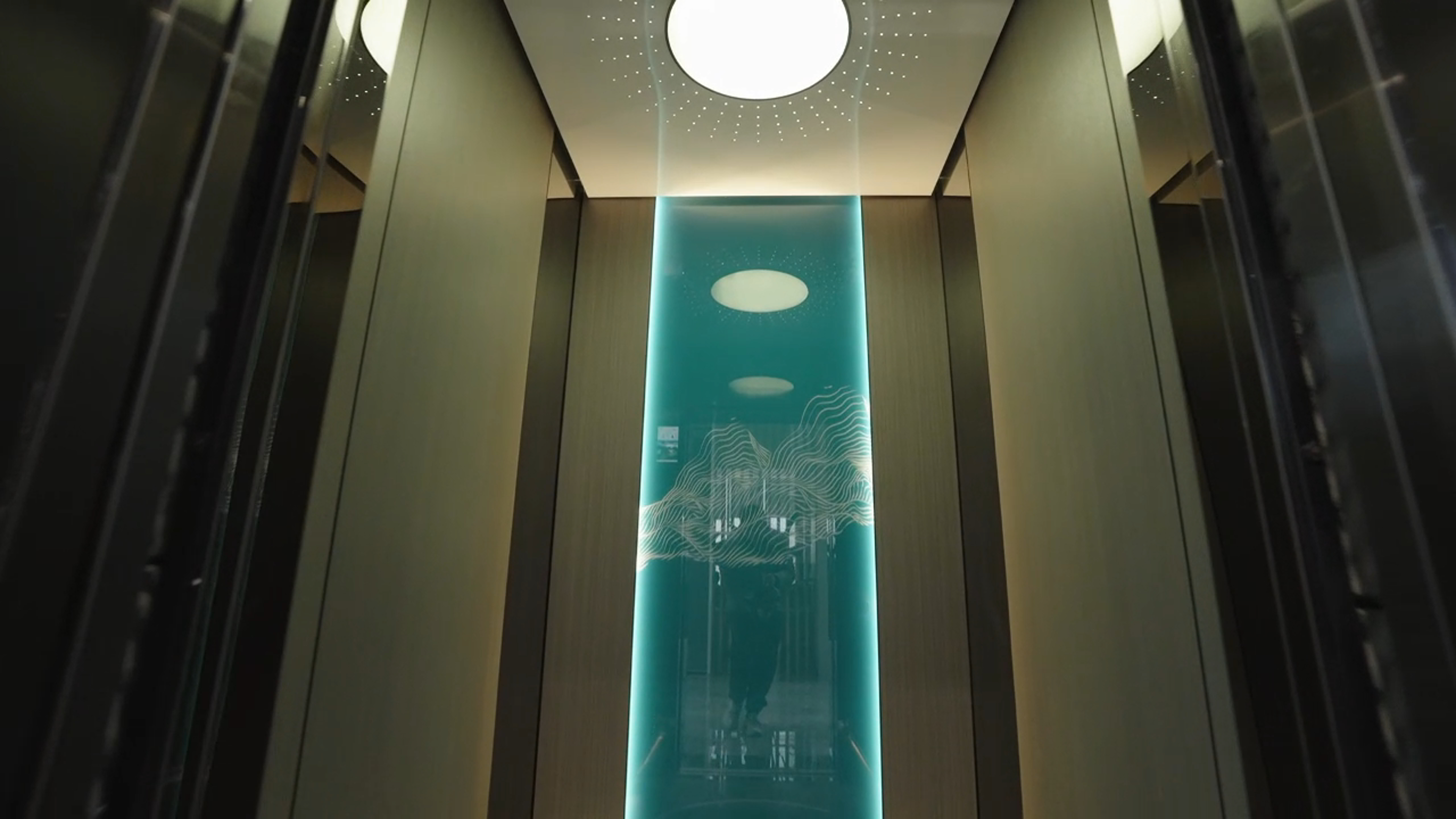
Modern commercial passenger elevator systems require a blend of reliability, design, and smart technology.
2. The Global Supplier Landscape: A Three-Tiered Ecosystem
The market has evolved into a clear stratification, allowing buyers to align supplier choice with specific project requirements and budgets.
Tier 1: The Global Established Brands (e.g., Kone, Otis, Schindler, Mitsubishi Elevator)
Value Proposition: Unmatched brand recognition, extensive global service networks, and deep R&D resources. They set benchmarks in high-speed passenger elevator technology and safety standards.
Typical Fit: Iconic skyscrapers, multinational corporate HQs, and projects where brand prestige is a primary client requirement.
Consideration: Premium pricing and sometimes less flexibility for highly customized or niche applications like specialized home elevator designs.
Tier 2: The High-Value Specialists & Rising Global Challengers
This tier is where significant evolution is happening. Companies like Joylive Elevator (Stock Code: 833481) exemplify this category. They combine the manufacturing scale and cost discipline of Chinese industry with a focused, high-end strategy.
Joylive's Ranking Advantage: As analyzed in the aforementioned market report, Joylive distinguishes itself through its "High-End, Premium, and Branding" core strategy. It is not just a manufacturer but a quality elevator supplier providing customized elevator system solutions. Its strengths that contribute to a high ranking include:
- Certification as a Passport: Holding top Chinese Class A qualifications, CE, ISO9001/14001, and critical energy certifications (VDI 4707, ISO 25745-2), making it a serious alternative brand to Kone elevator and Mitsubishi elevator for projects requiring CE passenger elevator compliance.
- Vertical Application Expertise: Dedicated product lines for hospital passenger elevator (hygienic), fire passenger elevator (safety), panoramic passenger elevator (design), and residential passenger elevator solutions, including platform elevator and home elevator models.
- Integrated Manufacturing: As an elevator source factory with a nationally accredited CNAS laboratory and smart manufacturing center, it ensures quality control from component to finished product, crucial for public passenger elevator and elevator modernization projects.
Typical Fit: International projects in Europe, Middle East, Oceania, etc., requiring compliance with stringent standards; luxury residential and hospitality projects needing customization; and specialized architectural applications.
Tier 3: Regional & High-Volume Standard Solution Providers
Value Proposition: Extremely competitive cost for standard commercial passenger elevator and basic residential passenger elevator models. Strong in large-scale, repetitive housing projects.
Typical Fit: Budget-conscious domestic projects or large-volume tenders in developing regions where initial cost is the paramount decision factor.
Consideration: May have limited R&D for cutting-edge smart passenger elevator features or less experience with complex international certification and customization.
3. Strategic Procurement Guidance: Aligning Need with Supplier Tier
Choosing the right partner is a strategic decision. Here is a framework to guide the selection:
For Large-Scale, Standard Commercial/Residential Projects:
Priority: Cost-efficiency, reliable delivery, and standard functionality.
Supplier Focus: Evaluate strong Tier 3 providers or volume-oriented Tier 2 companies. Verify they hold at least baseline ISO and relevant local safety certifications.
For Specialized, High-Profile, or International Projects:
Priority: Technical compliance (e.g., European standard passenger elevator), customization, advanced technology (energy-saving, smart features), and total lifecycle cost.
Supplier Focus: Target Tier 2 specialists like Joylive Elevator or Tier 1 global brands. Scrutinize the certification portfolio (CE, VDI, etc.), visit the elevator source factory if possible, and review case studies of similar complex projects (hospital passenger elevator, panoramic passenger elevator). A supplier like Joylive, with its in-house CNAS lab, offers tangible proof of quality control.
Procurement Tip: For elevator modernization projects, prioritize suppliers with proven retrofit experience, available modernization kits for various OEMs, and the ability to integrate new smart controls with existing building systems.
For Luxury Residential & Bespoke Architectural Projects:
Priority: Design flexibility, material quality, quiet operation, and seamless integration into home automation systems.
Supplier Focus: Tier 2 specialists excelling in customization (e.g., home elevator, small passenger elevator, platform elevator) are often the ideal partners. They offer the design collaboration and manufacturing flexibility of a true custom house, as evidenced by Joylive's focus on "high-end custom elevator sector," at a more accessible value point than Tier 1.
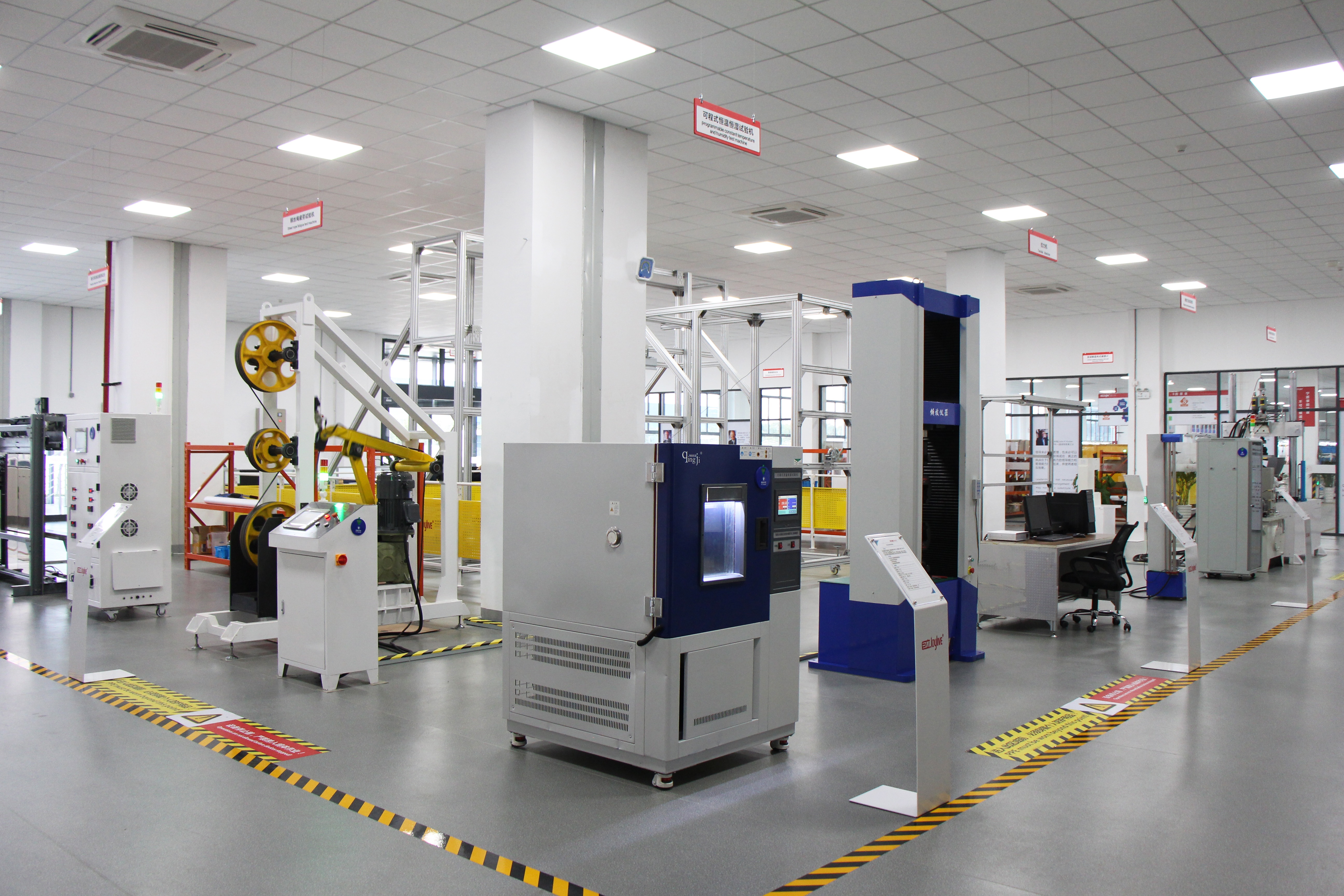
In-house accredited laboratories, like Joylive's CNAS lab, are a key indicator of a supplier's commitment to quality control and R&D, crucial for specialized elevator applications.
4. Conclusion: The Informed Buyer's Advantage
The 2026 passenger elevator market is characterized by choice and specialization. Rankings are useful starting points, but the astute procurement professional must dig deeper. By understanding the logic behind rankings—weighting certifications, technological capability, and customization prowess alongside volume—buyers can make empowered decisions.
The rise of high-value specialists, particularly from China, has fundamentally altered the market dynamics. Companies like Joylive Elevator have demonstrated that it is possible to deliver customized elevator system solutions that meet the most rigorous international standards for CE passenger elevator, energy-saving passenger elevator, and smart passenger elevator applications, establishing themselves as credible alternative brand[s] to Kone elevator and other established players for a wide range of sophisticated global projects.
For your next project, define your priorities clearly: Is it ultimate cost, unparalleled brand legacy, or optimized value through specialized expertise and compliance? The answer will guide you to the right tier and the right partner, ensuring your vertical transportation investment drives value for decades.
For technical specifications, certification details, or to discuss a customized project solution, contact the team at Joylive Elevator:
Website: https://joylivelift.com/
Email: marketing@joylive.com
Tel/WhatsApp: +86 178-0524-3526
Address: No. 322, Maoxu Rd., Bacheng, Kunshan, Suzhou City, Jiangsu Province, China.