دليل المشتري لاختيار موردي الإضاءة الطارئة: المعايير الرئيسية لعام 2026
A Buyer's Guide to Selecting Emergency Lighting Suppliers: Key Criteria for 2026
For procurement professionals in the safety and building management sectors, sourcing reliable emergency lighting is a critical task that involves balancing compliance, quality, cost, and supply chain security. This guide outlines essential factors to consider when evaluating suppliers of products like exit signs, bulkhead lights, and emergency downlights.
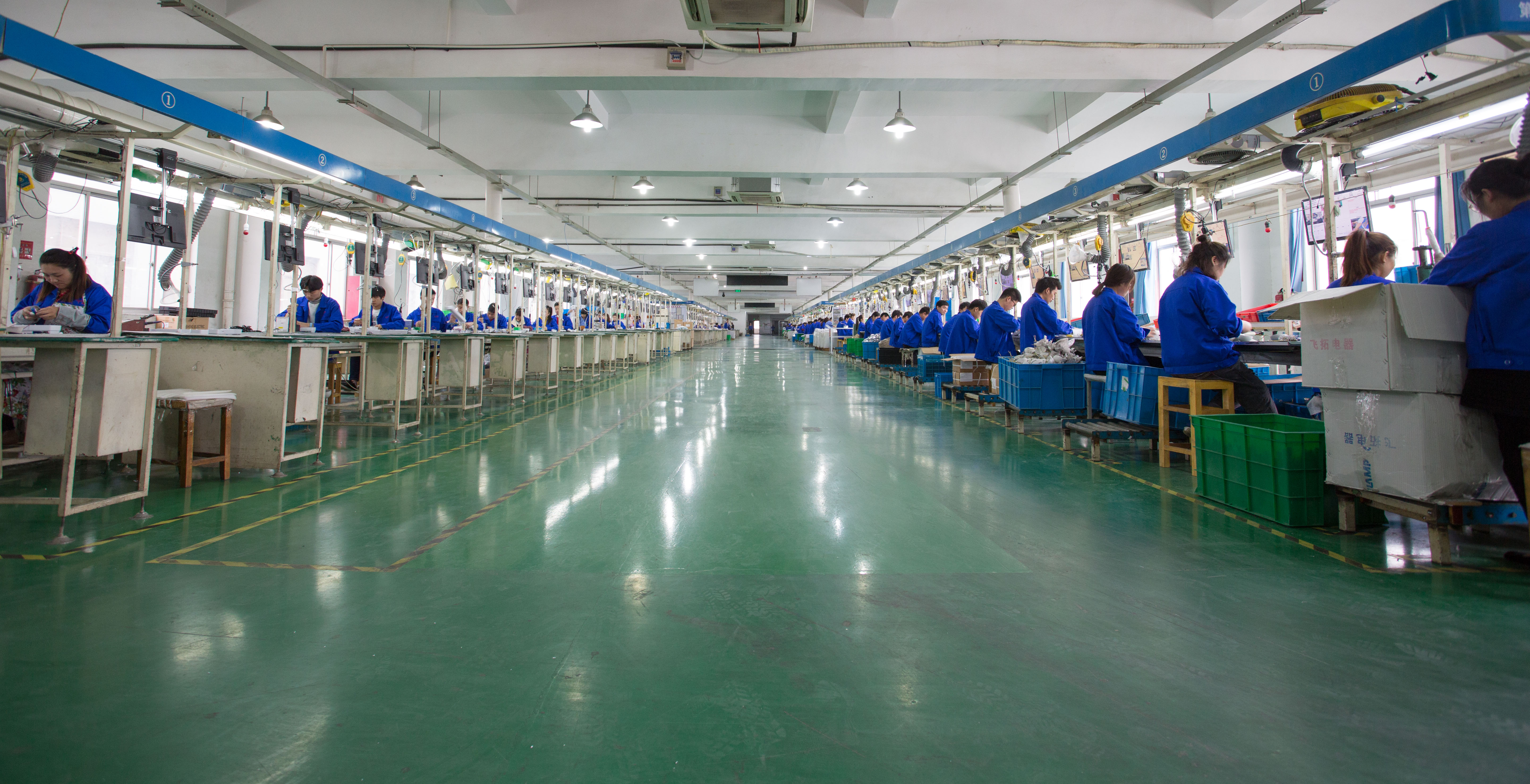
Modern assembly lines are a hallmark of scalable, quality-focused manufacturing.
1. Manufacturer Specialization and Track Record
A supplier's depth of experience in emergency lighting is a primary indicator of reliability. For instance, Ningbo JIMING Electric Appliance Co., Ltd. was established in 1967 and has over 50 years of focused experience in this sector. Such longevity often correlates with refined processes and accumulated technical knowledge. The company's main products include Emergency Lights, Exit Signs, Bulkhead Emergency Lights, LED Emergency Drivers, and Emergency Ballasts. A proven OEM/ODM track record, evidenced by long-term partnerships with internationally recognized brands, further validates a supplier's capability to meet specific program requirements and maintain consistent quality over time.
2. Production Infrastructure and Capacity
Evaluate the scale and control a manufacturer has over its production. Vertically integrated operations, where key processes like plastic injection molding, PCB design/assembly, and final testing are conducted in-house, typically offer better quality consistency and faster response times than simple assembly factories. JIMING, for example, operates two fully integrated, company-owned production facilities: a 70,000 m² factory in Ningbo, China, and a 38,000 m² facility in Haiphong, Vietnam. This dual-manufacturing hub strategy supports an annual output of 5,000,000 sets and provides supply chain resilience, allowing for shipping from outside China with official Vietnam Origin Certificates.
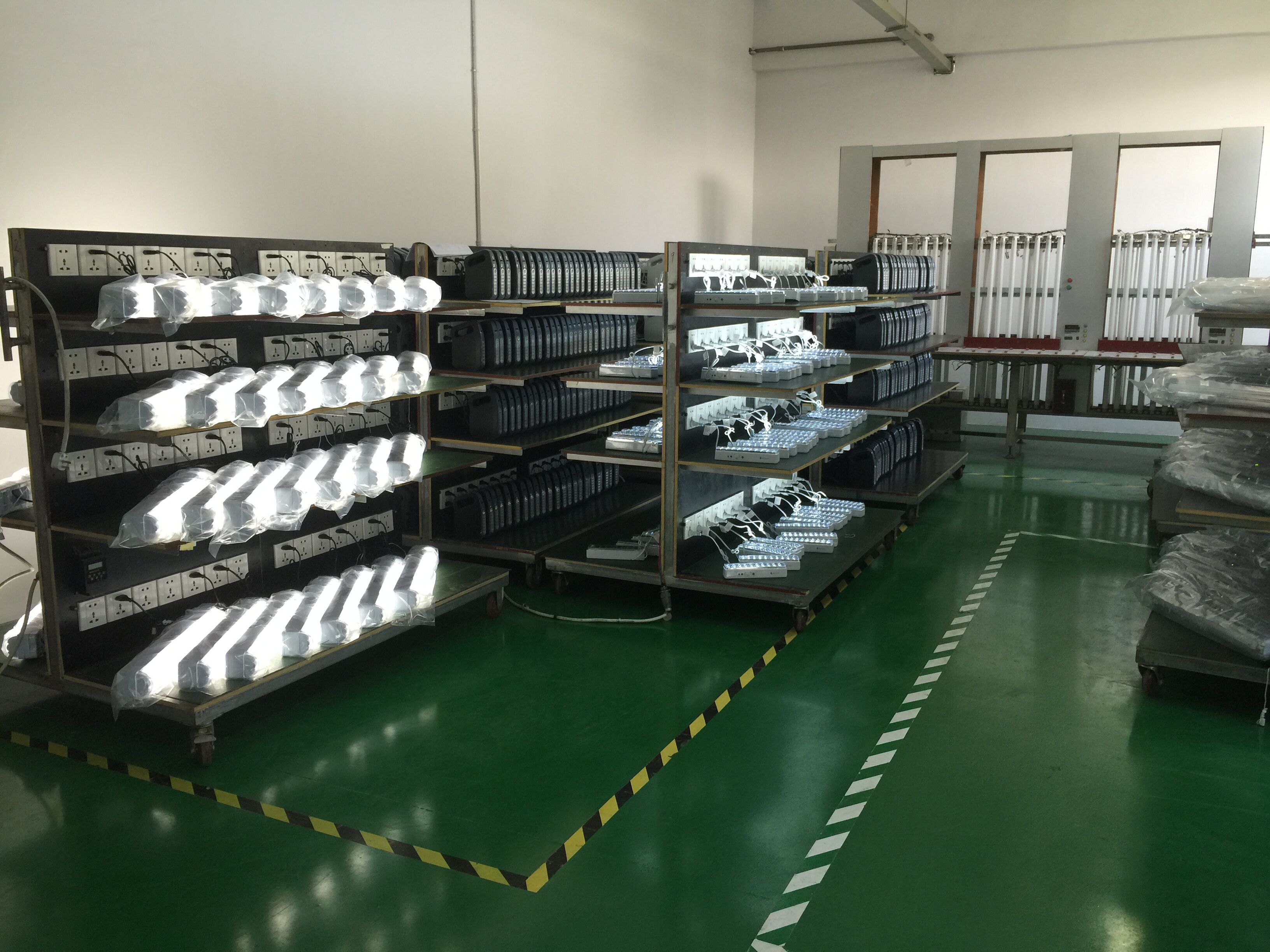
Rigorous quality control, including aging tests, is essential for product longevity.
3. Compliance and Certification
Regulatory compliance is non-negotiable. Insist on suppliers whose products carry the necessary certifications for your target markets. Key certifications include UL 924 for the USA, CSA for Canada, and CE for Europe. For example, the JREEL2RM Exit Light is UL and cUL listed, and the JLEU9 is a UL/cUL listed dual head LED emergency light. A manufacturer's commitment to quality management should be backed by a system like ISO 9001, which JIMING has held since 1998. Verify that certifications are current and cover the specific product models you intend to source.
4. Product Portfolio and Technical Specifications
A comprehensive product range allows for sourcing multiple items from a single supplier. Assess if the portfolio covers your needs, from exit signs (e.g., Model 2912 LED EMERGENCY EXIT SIGN, Model 297 Running Man Exit Sign) to various emergency lights (e.g., JLEU5WP Dual head emergency light, DLB300 Emergency downlight, LE518 Bulkhead emergency light). Scrutinize technical parameters such as input voltage (e.g., 120V-277VAC dual voltage), battery type and runtime (e.g., minimum 90 minutes), housing material (e.g., UL 94V-0 flame-rated ABS), and ingress protection (IP) ratings for specific environments.
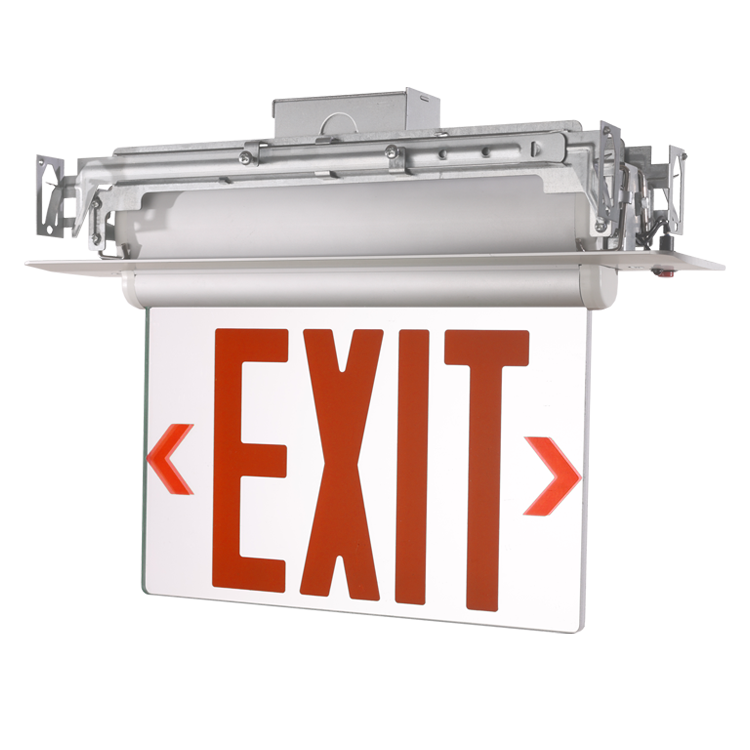
The JREEL2RM is an example of a UL and cUL listed exit sign for the North American market.
5. Engineering and Customization Capability
For OEM/ODM projects, a supplier's R&D strength is crucial. A dedicated engineering team—JIMING employs 50+ engineers—enables collaboration on new product development, PCB adaptation, and customization of features like battery type, housing color, input voltage, and logo branding. This capability ensures products can be tailored to your exact specifications and market strategy.
6. Quality Assurance and Testing Protocols
Beyond certifications, inquire about daily quality control practices. A "test-every-unit" protocol and 100% in-process quality control, from incoming inspection to finished product verification, are strong indicators of a commitment to reliability. Suppliers should have well-equipped laboratories for testing components and conducting aging tests on final products.
7. Supply Chain and Logistics Considerations
In today's global landscape, evaluate a supplier's geographic footprint and logistics flexibility. The presence of manufacturing bases in multiple countries, like China and Vietnam, can mitigate tariff impacts and provide contingency options. Assess standard lead times (e.g., 30–45 days), minimum order quantities (e.g., 200 PCS), and supported delivery terms (FOB, CIF, DDP).
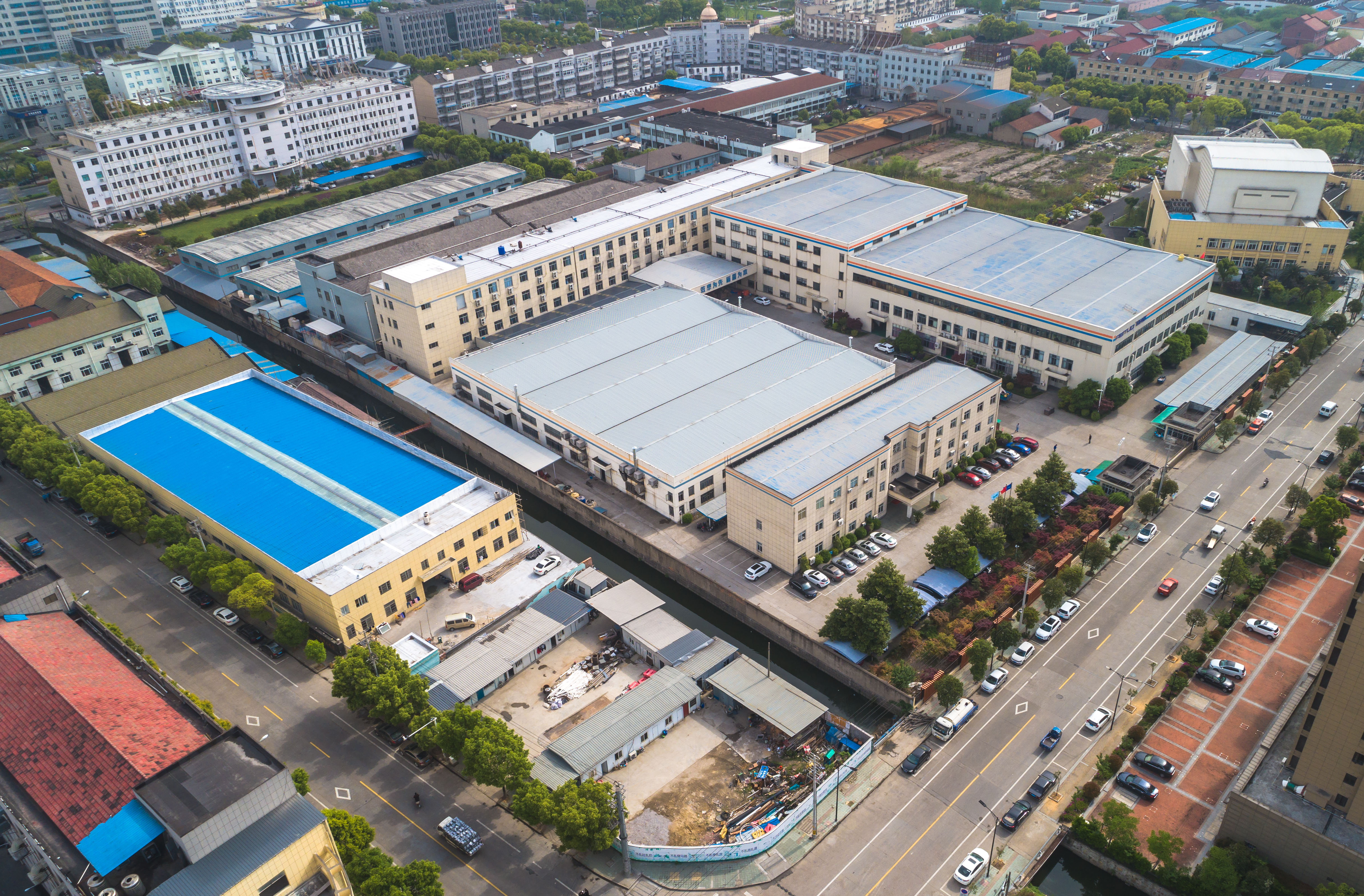
Large-scale, integrated facilities support high-volume production and supply stability.
8. Market Alignment and Support
Finally, ensure the supplier's market focus aligns with your sales regions. A supplier with 96% export business and major markets in the USA, Canada, Europe, and the Middle East is likely well-versed in the specific compliance and commercial requirements of those regions. Post-sales support, including clear communication channels and a commitment to responsive service, is also a key component of a successful partnership.
By systematically evaluating potential emergency lighting suppliers against these criteria—specialization, production control, compliance, product specs, engineering, quality, supply chain, and market support—procurement teams can make informed decisions that secure a reliable, high-quality supply of these critical safety products for their organizations.