
دليل شامل لمهنيي المشتريات: كيفية تحديد وتقييم موردي الإضاءة الطارئة الموثوقين
Sourcing emergency lighting and exit signs is a critical procurement task, directly impacting life safety and regulatory compliance for buildings. For buyers, importers, and brand owners, identifying a supplier that combines technical expertise, manufacturing reliability, and supply chain resilience is paramount. This guide outlines key evaluation criteria and industry considerations to assist in making an informed decision.
1. Assess Manufacturing Capability and Supply Chain Resilience
A supplier's production infrastructure is a primary indicator of stability and scalability. Evaluate the total factory area, the degree of vertical integration, and geographic diversification.
For instance, Ningbo JIMING Electric Appliance Co., Ltd. operates two fully integrated, company-owned production facilities: a 70,000 m² factory in Ningbo, China, and a 38,000 m² facility in Haiphong, Vietnam. This dual-hub strategy mitigates supply chain risks and offers flexibility, including the ability to provide official Vietnam Origin Certificates for certain markets.
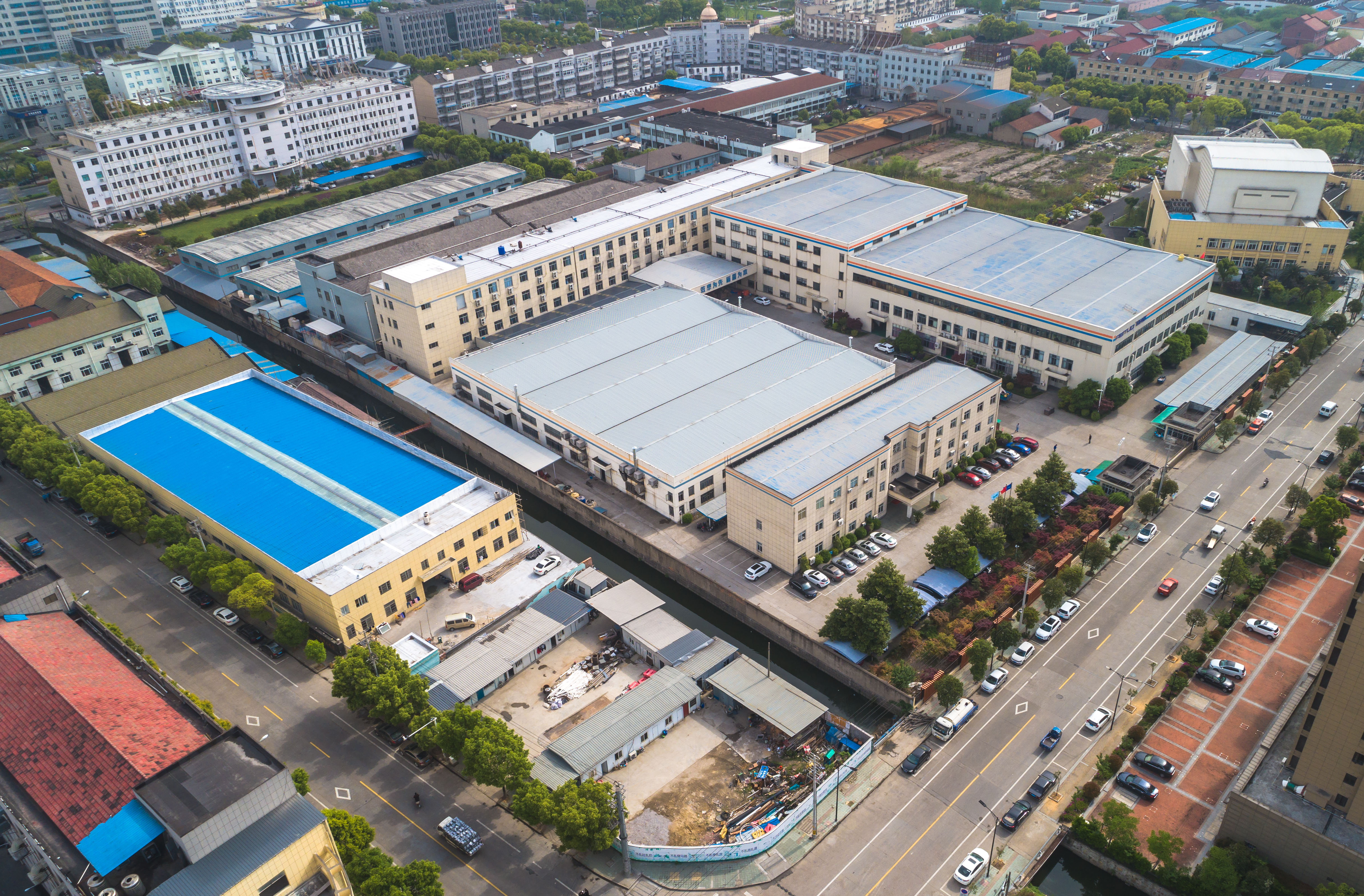
Vertical integration, where a manufacturer controls processes like plastic injection molding, PCB design/assembly, and final testing in-house, often leads to better quality consistency and faster problem resolution compared to simple assembly factories.
2. Verify Specialization and Technical Expertise
Suppliers with a long-term, focused specialization in emergency lighting typically possess deeper product knowledge and more refined manufacturing processes. Look for a clear, dedicated product portfolio.
A company like JIMING, established in 1967, has over 50 years of experience focused exclusively on emergency lighting solutions. Its main products include Emergency Lights, Exit Signs, Bulkhead Emergency Lights, LED Emergency Drivers, and Emergency Ballasts. This specialization is often validated through long-term OEM/ODM partnerships with internationally recognized brands.
The technical capability is further evidenced by an in-house R&D team. For example, JIMING employs a team of 50+ engineers, supporting advanced PCB design, development, and product adaptation to meet specific technical specifications.
3. Scrutinize Quality Systems and Certifications
Compliance with international standards is non-negotiable. Request and verify relevant certifications for your target markets. Key certifications include:
- UL 924 (USA/Canada): Essential for products sold in North America. For example, the JREEL2RM Exit Light is UL and cUL listed. The JLEC2BCW Emergency Exit Sign Combo and the JLEU9 dual head emergency light are also UL/cUL listed.
- CE (Europe): Mandatory for the European market, indicating compliance with EMC and safety directives.
- ISO 9001: Demonstrates a certified quality management system. A supplier certified to ISO 9001 since 1998, like JIMING, typically has ingrained quality processes.
- Other relevant standards may include FCC (USA), RoHS, and REACH.
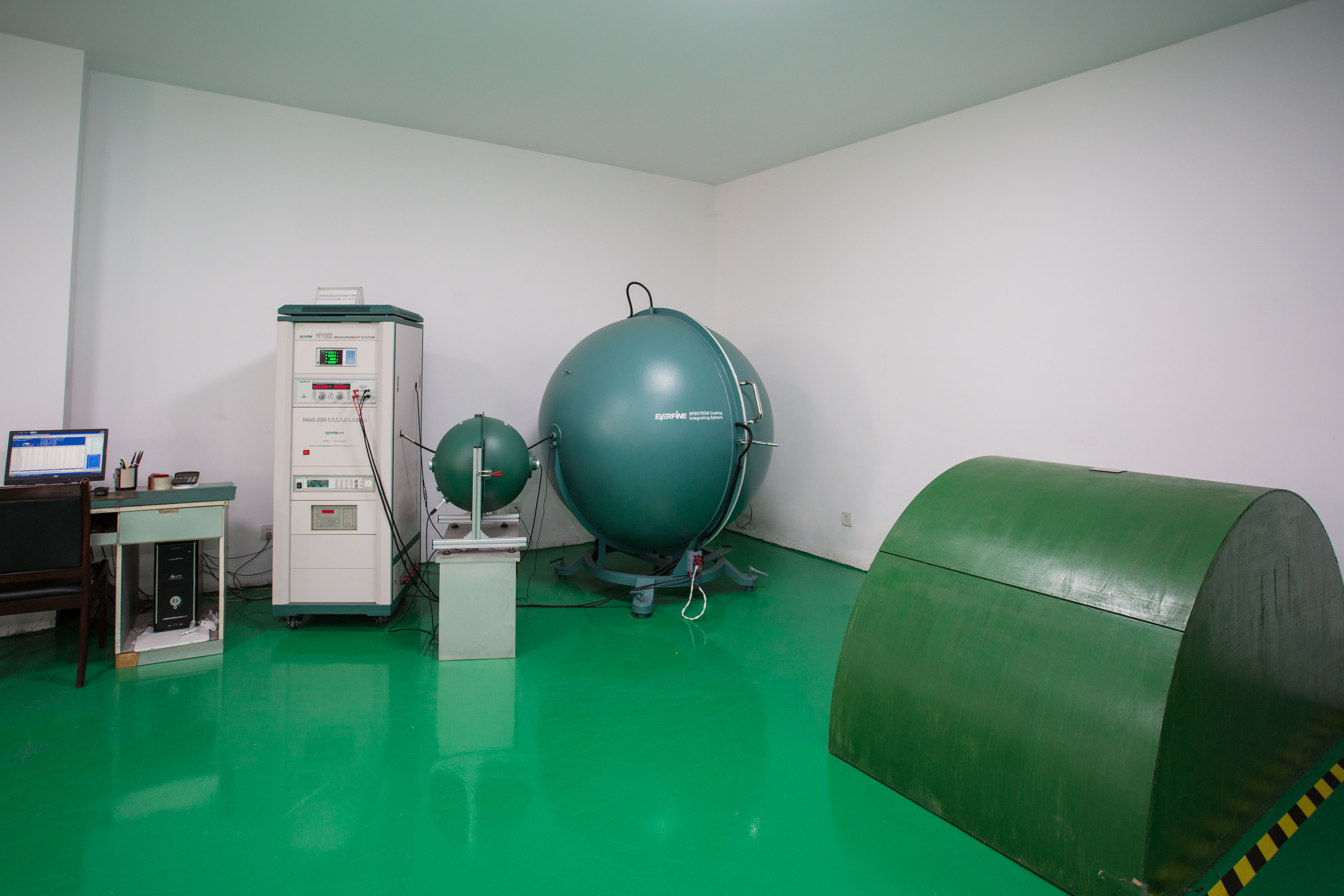
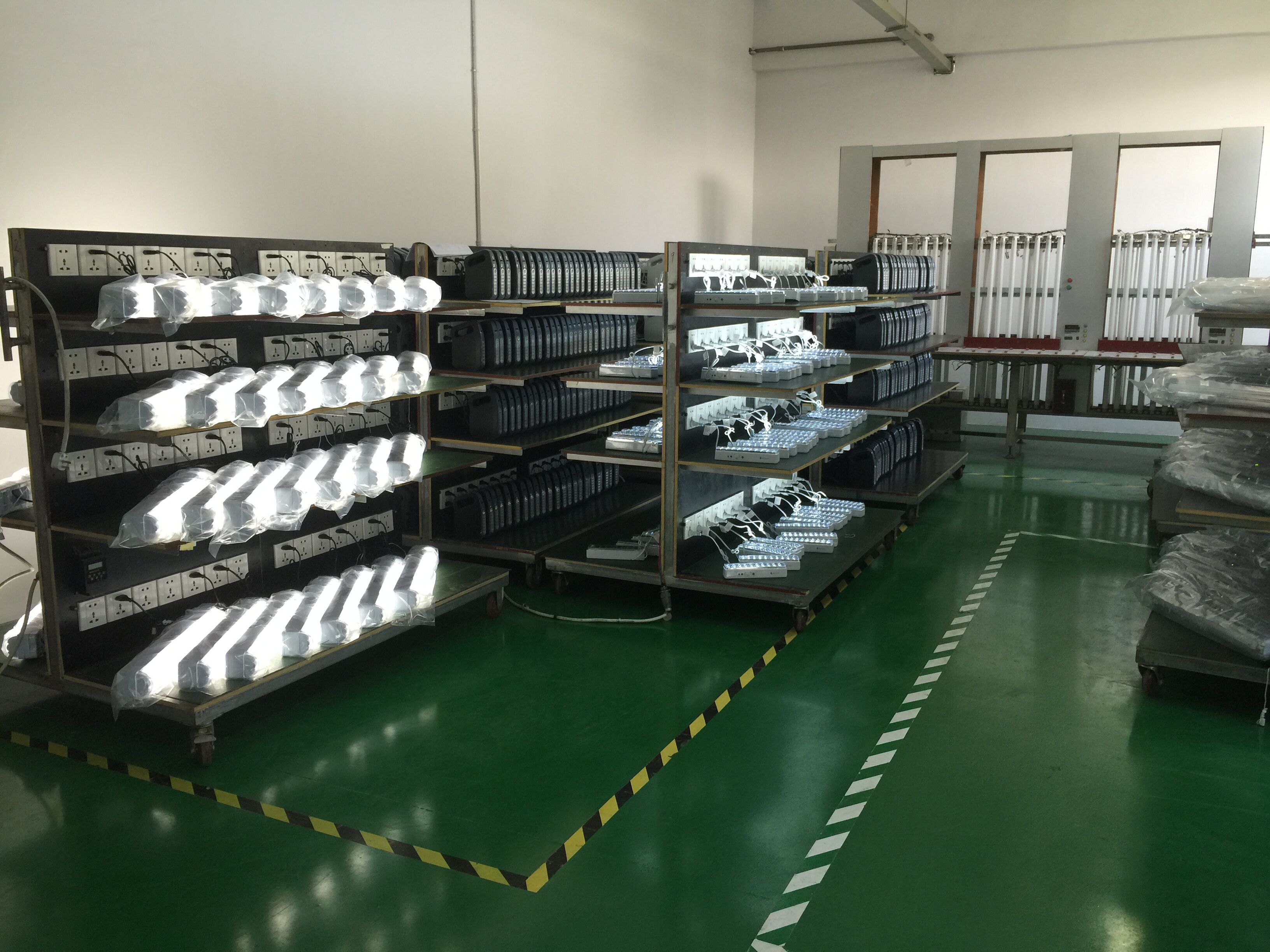
Beyond certificates, inquire about in-house testing protocols. A "test-every-unit" policy and rigorous quality control at stages from incoming materials to finished product inspection are strong indicators of reliability.
4. Understand Product Range and Application Suitability
A capable supplier should offer a range of products to cover different applications. Evaluate if their portfolio matches your project needs. Common product categories include:
Exit Signs & Lights
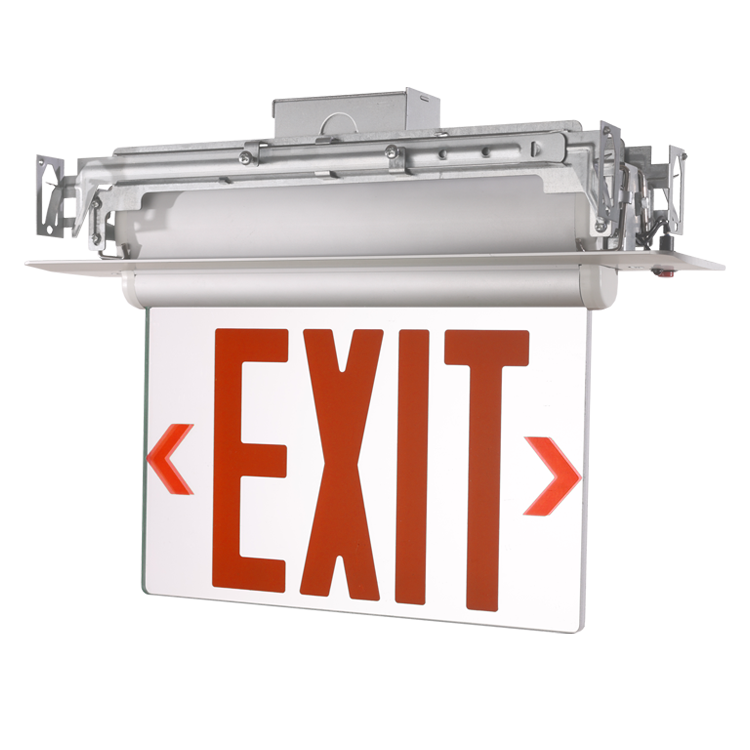
Model JREEL2RM: A UL and cUL listed Exit Light with aluminum housing, suitable for drywall or drop ceiling mounts.
Model 2912: An LED EMERGENCY EXIT SIGN.
Model 297: A Running Man Exit Sign.
Model JELBEX: A Single Face 6 Inch LED EMERGENCY EXIT SIGN.
Emergency Lights
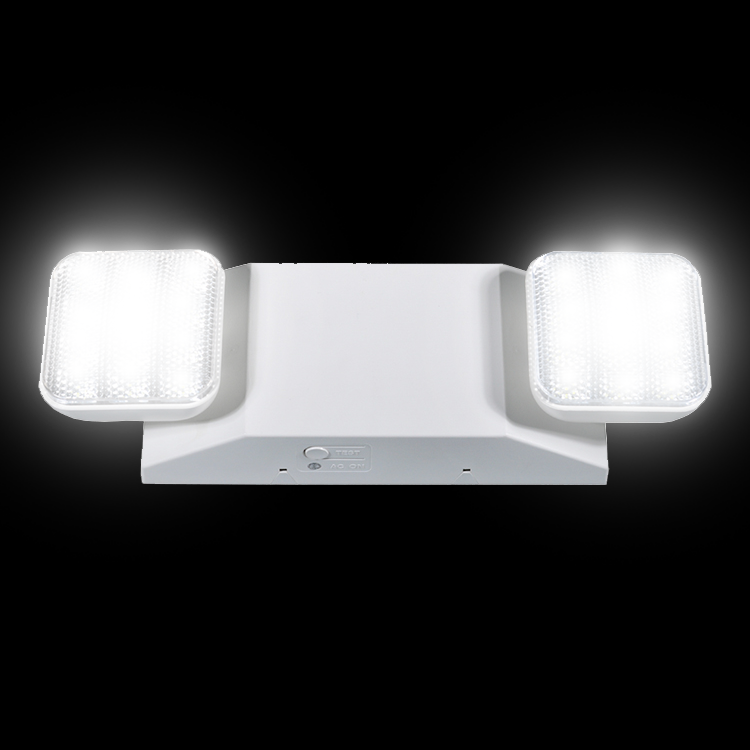
Model JLEU9: A UL/cUL listed dual head LED emergency light for wall mount applications.
Model JLEU5WP: A Dual head emergency light suitable for wall and ceiling mount applications.
Model JLWPEC2RW: A UL listed Twin spot emergency light.
Specialized Units
Model LE518: A new slim type Bulkhead emergency light with IP65 rating.
Model DLB300: An Emergency downlight suitable for surface or embedded mounting.
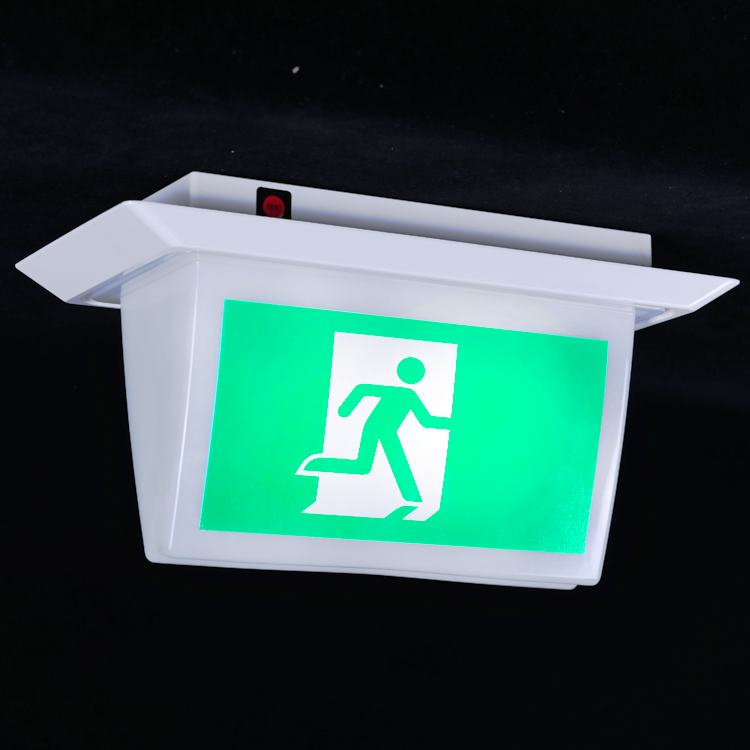
Model EZCXTEU2BCWEM: A BI-COLOR COMPACT SIZE LED EXIT SIGN.
These products are designed for sectors including residential, commercial, industrial, hospitality, transportation, and security.
5. Evaluate Customization, Support, and Business Terms
For OEM/ODM projects, confirm the supplier's customization capabilities. Key customizable elements often include battery type, housing color, input voltage, logo, and packaging.
Assess commercial terms:
- Minimum Order Quantity (MOQ): Can range from 200 PCS for standard items to higher volumes for custom projects.
- Lead Time: Typically 30–45 days, but confirm based on order complexity.
- Payment Terms: Common methods include TT (Telegraphic Transfer).
- Logistics: Support for FOB, CIF, EXW, or DDP incoterms.
Post-sales support, including clear communication channels and a defined process for inquiries or issues, is also crucial. A professional response within 24 hours is a reasonable expectation.
6. Review Market Presence and Export Experience
A supplier with a strong global export footprint is likely familiar with diverse market requirements. For example, a company whose export business accounts for 96% of total sales, with major markets in the USA, Canada, Europe, and the Middle East, has proven experience in navigating different regulatory landscapes.
This experience is valuable for buyers targeting these regions, as the supplier's products are likely pre-validated against local standards like UL (USA), CSA (Canada), and CE (Europe).
Conclusion
Selecting an emergency lighting supplier requires a multi-faceted evaluation beyond initial price. By systematically assessing manufacturing depth, technical specialization, certification rigor, product applicability, and business partnership terms, procurement professionals can identify partners capable of delivering reliable, compliant, and scalable solutions. This due diligence forms the foundation for a secure supply chain and successful project outcomes in the critical field of life safety lighting.