الأسئلة الشائعة حول حلول بطاريات الليثيوم أيون المخصصة
Frequently Asked Questions (FAQ) About Customized Li-ion Battery Solutions
For procurement professionals and engineers, sourcing a reliable supplier for customized lithium-ion batteries involves navigating complex technical and commercial considerations. This FAQ addresses common queries to streamline the evaluation process and help you identify partners capable of meeting stringent project requirements.
General & Technical Questions
Q1: What exactly is a "customized" lithium-ion battery solution?
A customized Li-ion battery solution is engineered to meet specific application requirements beyond standard off-the-shelf products. This involves tailoring parameters such as:
- Form Factor & Dimensions: Creating unique shapes (e.g., curved, multi-part) to fit specific device enclosures.
- Electrical Specifications: Adjusting voltage, capacity (Ah), discharge rate (C-rate), and charge profiles.
- Performance Characteristics: Optimizing for extreme temperatures (high/low), cycle life, or shelf life.
- Safety & Compliance: Integrating specific protection circuits and ensuring adherence to industry-specific certifications.
- Connector & Interface: Designing custom terminals, wiring harnesses, and communication protocols (like SMBus).
Q2: What are the primary lithium-ion battery chemistries available for customization, and how do I choose?
The main chemistries are:
- Lithium Cobalt Oxide (LiCoO2) / Standard Li-ion: High energy density, common in consumer electronics.
- Lithium Iron Phosphate (LiFePO4): Excellent safety, long cycle life, stable thermal performance; ideal for industrial usage batteries and high-reliability applications.
- Lithium Polymer (Li-Po): Flexible form factors, lightweight; suitable for sleek consumer electronics and compact devices.
- Lithium Manganese Oxide (LMO) / NMC Blends: Good power density and thermal stability, often used in power tools and e-mobility.
Q3: What is the typical development timeline for a custom battery pack?
The timeline varies significantly based on complexity:
- Simple Modification (e.g., changing a connector): 2-4 weeks for prototyping.
- Moderate Customization (new shape, standard BMS): 6-10 weeks from design freeze to initial samples.
- Full Custom Design (novel chemistry integration, extensive safety testing): 12-20 weeks or more.
Supplier Qualification & Compliance
Q4: What certifications are non-negotiable when auditing a potential battery supplier?
Certifications are critical indicators of quality management, environmental responsibility, and safety compliance. Essential certifications include:
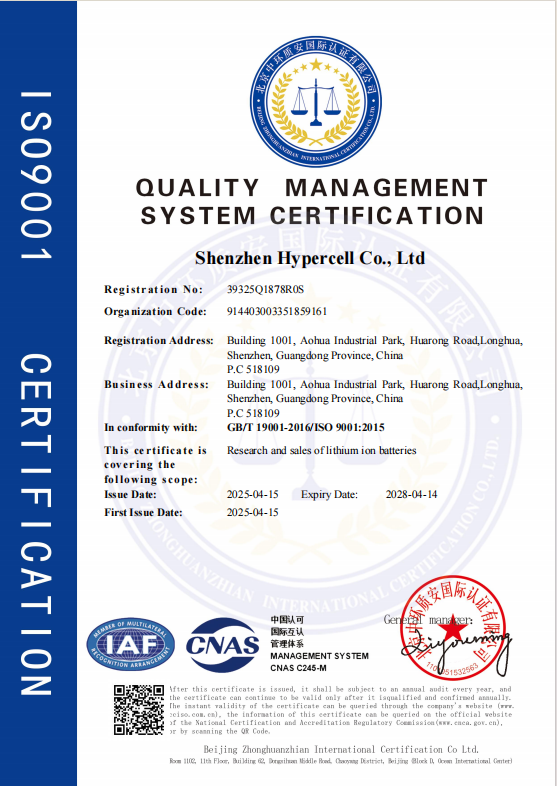
- ISO 9001:2015: Demonstrates a robust quality management system.
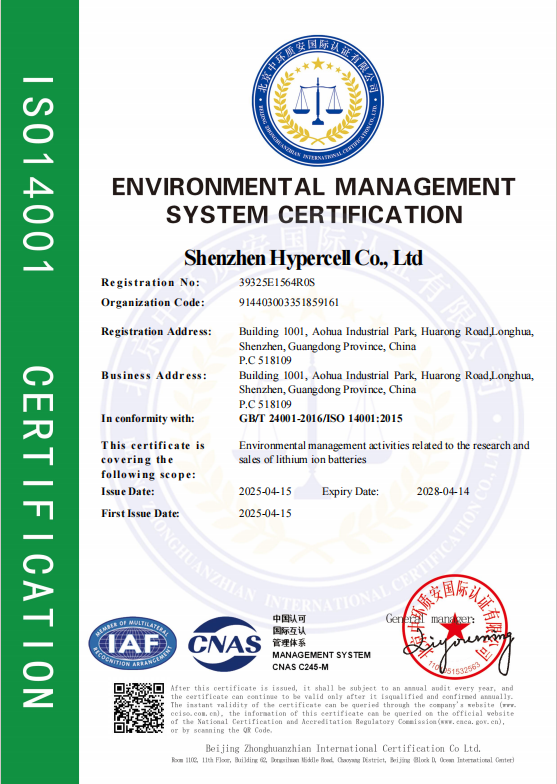
- ISO 14001:2015: Indicates commitment to environmental management.
- Product Safety Certificates: Such as CE (for EU market, covering EMC and safety), and RoHS (restriction of hazardous substances).
- Transportation Certifications: UN38.3, along with specific Identification and Classification Reports for both air and sea transport, are mandatory for safe and legal shipping of lithium batteries.
Q5: How do I evaluate a supplier's R&D and technical support capabilities?
Look for tangible evidence:
- Dedicated R&D Team: Inquire about team composition (e.g., doctors, senior engineers) and ongoing projects (e.g., solid-state battery research).
- Past Project Portfolio: Request case studies relevant to your industry (medical, IoT, industrial).
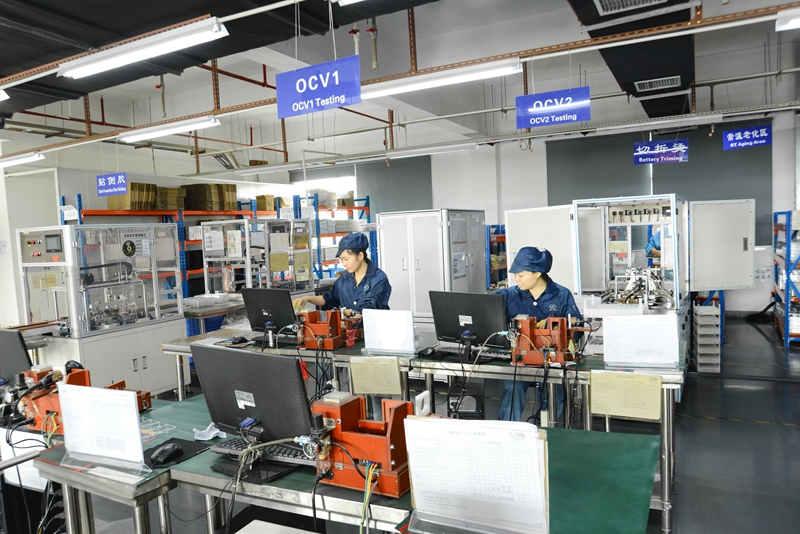
- Prototyping and Testing Facilities: The ability to conduct in-house safety, performance, and environmental stress tests.
- Integration Support: A department that assists with electronics, software, and structural integration is a significant advantage.
Logistics, Support & Sourcing Strategy
Q6: What are the key considerations for logistics and supply chain stability?
For a China battery manufacturer, supply chain resilience is paramount. Assess:
- Vertical Integration: Control over core processes reduces reliance on external cell suppliers.
- Production Capacity & Scalability: Verify daily/weekly output (e.g., 30MWh daily) and ability to scale for large orders.
- Multiple Factory Locations: Mitigates risk of production disruption.
- Proven Logistics Partners: Experience with certified dangerous goods handlers for global shipping.
Q7: What level of after-sales and technical support should I expect?
A professional supplier provides comprehensive support:
- Pre-sales Consultation: Technical guidance on chemistry selection and design feasibility.
- In-Project Support: Regular updates, sample testing reports, and design iteration collaboration.
- Post-Sales: Detailed product documentation, batch traceability, and troubleshooting assistance.
- Warranty: Clear warranty terms aligned with the battery's specified cycle life and usage conditions.
Q8: How can I initiate a request for a custom battery solution?
Prepare a clear specification document including:
- Target device description and application (e.g., medical handheld, outdoor GPS tracker).
- Required dimensions, weight limits, and desired shape.
- Electrical requirements: voltage, capacity, continuous/peak current, operating temperature range.
- Regulatory and certification needs (CE, UL, etc.).
- Estimated annual volume.