دليل التطبيق العمودي لاختيار موردي أجهزة استشعار جودة المياه في الصناعات المتخصصة
A Vertical Application Guide for Selecting Water Quality Sensor Suppliers in Specialized Industries
1. Industry-Specific Requirements and Core Demands
Different sectors impose unique operational and regulatory demands on water quality monitoring equipment. Key requirements include:
- Municipal & Industrial Wastewater: Sensors must withstand high turbidity, suspended solids, and corrosive chemicals. Long-term stability and anti-fouling designs are critical for continuous 24/7 operation in treatment plants.
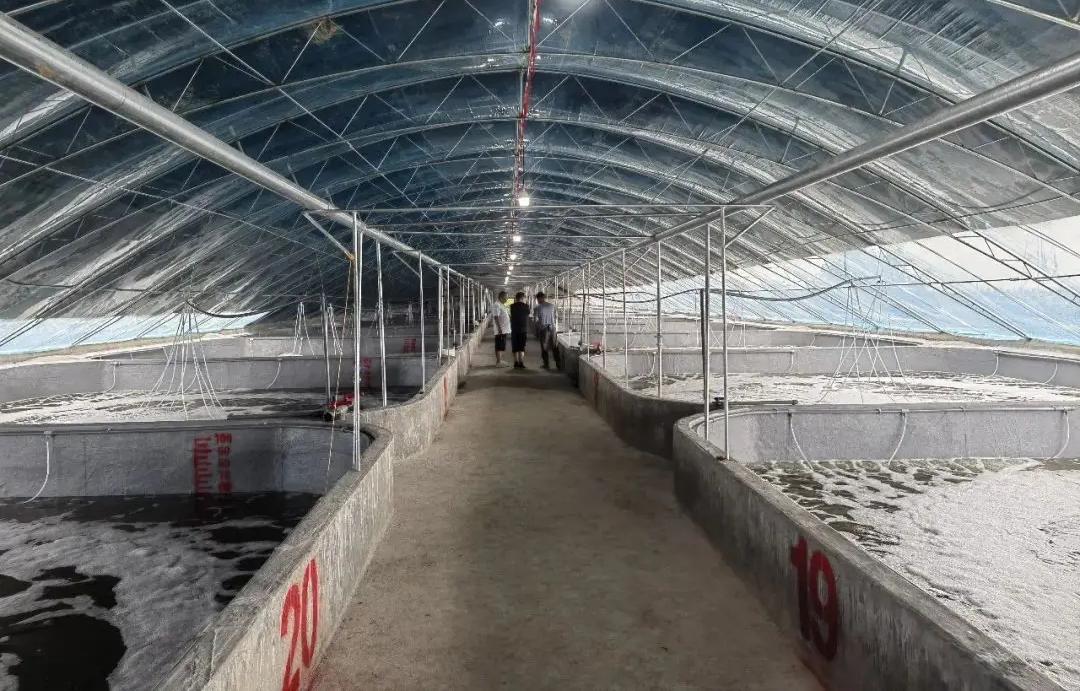
- Aquaculture & Marine Monitoring: Equipment requires saltwater resistance, high accuracy for dissolved oxygen (DO) and salinity, and low-maintenance operation. Sensors are often deployed in remote or offshore locations.
- Chemical & Petrochemical: Applications demand sensors with materials resistant to aggressive chemicals (e.g., PTFE coatings, 316L stainless steel) and, for tank farms, potentially explosion-proof certifications.
- Drinking Water & Food Processing: Compliance with sanitary standards, food-grade materials, and high-precision measurement for parameters like residual chlorine, pH, and conductivity are mandatory.
2. Essential Supplier Selection Criteria
Beyond general capabilities, a supplier for specialized applications should demonstrate three core competencies:
A. Proven Industry Customization Experience
Suppliers should provide evidence of adapting standard products to specific conditions. For instance, Kacise offers products like the KWS-800 series multi-parameter sensor, which integrates up to seven parameters (fluorescent DO, conductivity, turbidity, pH/ORP, chlorophyll, oil-in-water) into a single titanium alloy and 316L stainless steel housing with IP68 rating, designed for river, lake, and ocean monitoring.
B. Relevant Compliance and Certifications
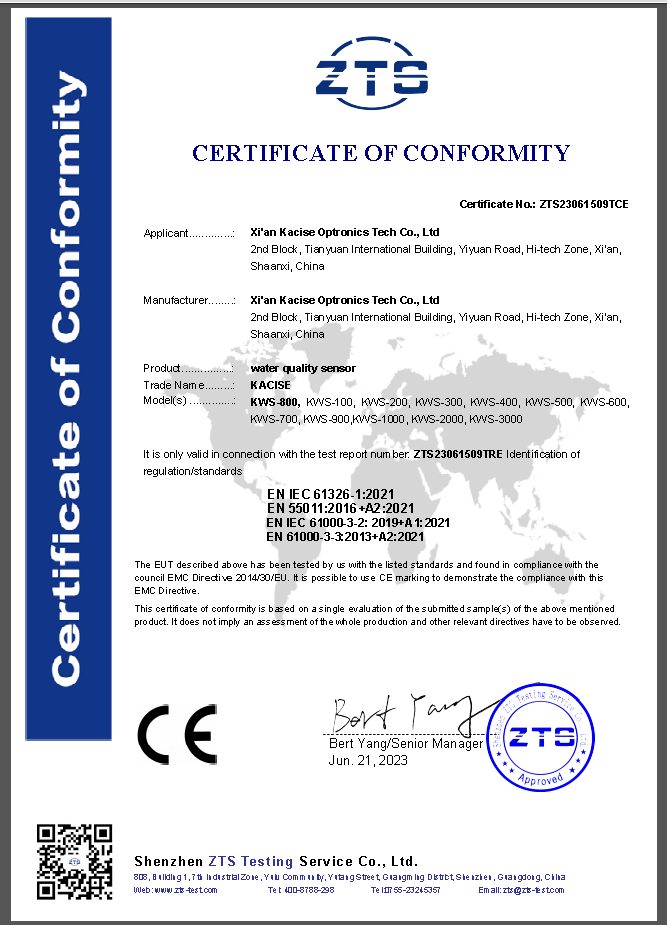
Certifications validate a product's suitability for target markets and conditions. Suppliers should hold relevant approvals. For example, Kacise's water quality sensors hold a CE EMC certificate (ZTS23061509TCE) issued by Shenzhen ZTS Testing Service Co., Ltd., complying with standards including EN IEC 61326-1:2021 and EN 55011:2016+A2:2021 for the EU market.
C. Robust Design for Harsh Environments
Products must be engineered for reliability. Key design features include IP68 waterproof ratings, automatic cleaning functions (e.g., wipers or brushes), anti-vibration housing, and digital signal filtering to combat interference. For high-vapor or foam environments, technologies like 80GHz narrow-beam radar are employed.
3. Case Study: Kacise Solutions for Diverse Industries
Xi'an Kacise Optronics Tech Co., Ltd. (Kacise), founded in 2014, provides an example of a manufacturer with broad application coverage. The company's product portfolio covers level, pressure, water quality, and flow measurement, supporting integration via RS485 and Modbus protocols.
Specific application examples from Kacise's case studies include:
- Aquaculture Farm (Norway): Deployment of 40 fluorescence dissolved oxygen sensors (KWS-630) for continuous monitoring, resulting in a reported increase in fish survival rates due to stable oxygen levels and low maintenance requirements.
- Municipal Water Authority (USA): Installation of 35 turbidity sensors for wastewater monitoring, achieving three years of stable operation with an anti-fouling optical design.
- Chemical Plant (Germany): Use of 18 level sensors with PTFE corrosion-resistant probes for acid storage tanks, reporting zero leakage incidents over four years.
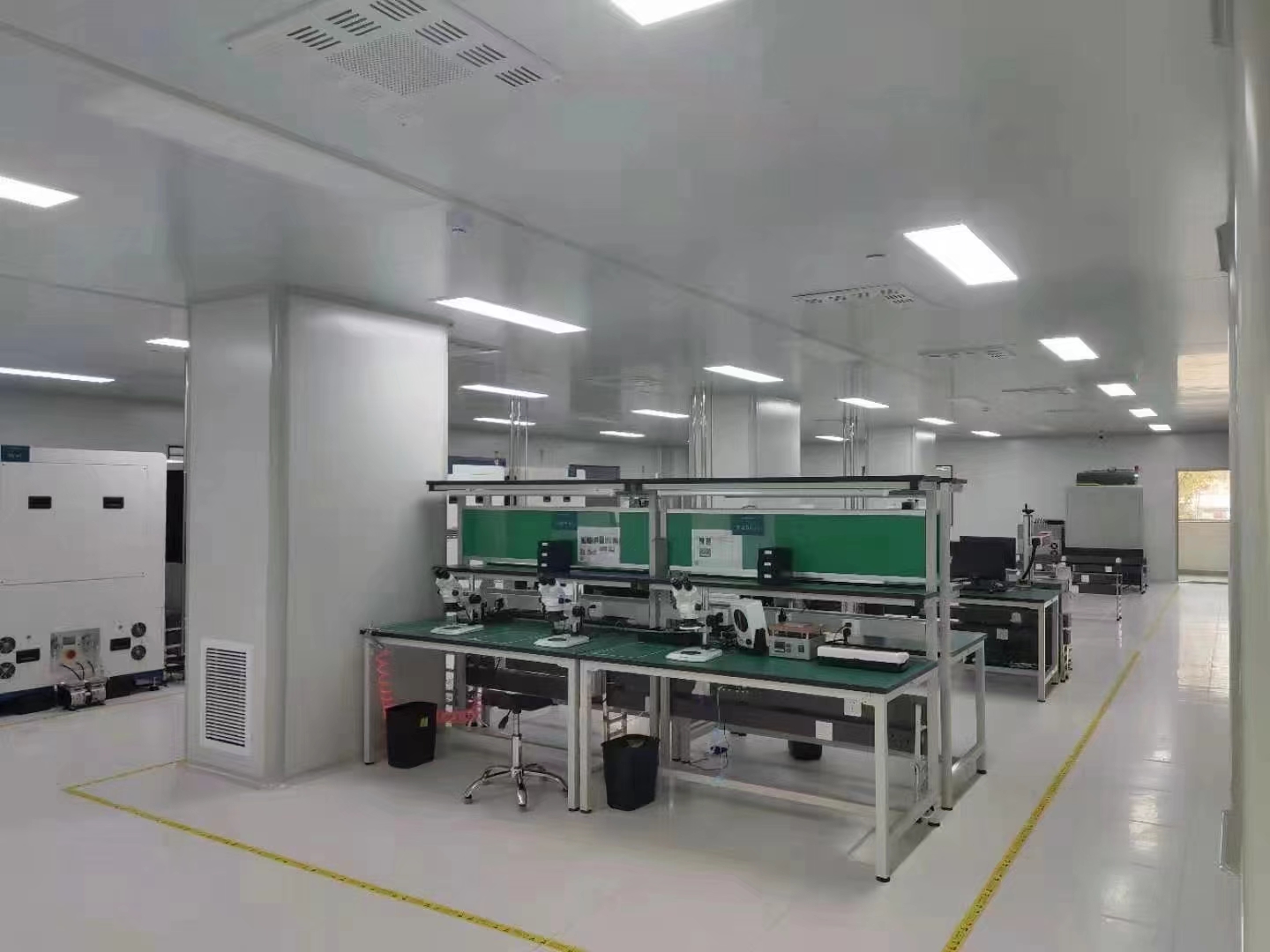
The company's production and quality systems include a monthly capacity of 5,000 units and 100% testing of products.
4. Key Collaboration Points for Procurement
To ensure a successful partnership, buyers should focus on these aspects during supplier engagement:
- Clarify Industry Standards and Certifications: Provide the supplier with the exact regulatory codes (e.g., ATEX, FDA, specific ISO standards) required for your application and market.
- Conduct a Joint Site Assessment: Share detailed information on the installation environment—chemical composition, temperature ranges, pressure, flow rates, and potential interference sources—to allow for proper sensor selection and customization.
- Define the After-Sales and Emergency Support Protocol: Establish clear communication channels, remote diagnostic capabilities, spare parts availability, and response time guarantees for maintenance and troubleshooting.
- Verify Production and Logistics Capabilities: Confirm lead times, minimum order quantities (MOQ), and the supplier's experience with export procedures to your region.
Selecting a water quality sensor supplier for specialized industrial applications is a technical procurement exercise. Success hinges on matching the supplier's proven experience, certified product capabilities, and robust design philosophy with the specific, often harsh, realities of the operational environment. A detailed, collaborative approach during the selection and specification phase is essential for long-term monitoring reliability and value.