
دليل التطبيق العمودي لمشتري آلة القطع CNC Waterjet: مطابقة الاحتياجات المحددة للصناعة مع الموردين المتخصصين
For procurement professionals in manufacturing, selecting a CNC waterjet cutting machine supplier is a strategic decision that directly impacts production efficiency, part quality, and long-term operational costs. Unlike generic machinery, a waterjet system must be precisely matched to the unique demands of your specific industry. This guide outlines the core requirements across key sectors, defines the essential capabilities of a specialized supplier, and provides a framework for successful collaboration, drawing on real-world industry experience.
Core Insight: The value of a waterjet system is not defined by its maximum pressure or table size alone, but by its ability to reliably meet your industry's specific technical, regulatory, and environmental constraints day after day.
1. Industry-Specific Requirements: Beyond Basic Cutting
Each manufacturing sector imposes distinct demands on waterjet technology. A supplier familiar with these nuances can pre-empt challenges and recommend optimal configurations.
Aerospace & Composites
Cutting carbon fiber reinforced polymers (CFRP), titanium alloys, and honeycomb structures requires absolute precision and a process that prevents delamination or fraying. The special requirement here is high-precision positioning and often an integrated solution to manage the risk of damage. For instance, cutting multi-layer composites without a pre-drilling strategy can cause separation. A capable supplier will understand the need for a Cutting Head with Drilling Function to create an inlet hole, ensuring clean, delamination-free edges.
Waterjet cutting is essential for aerospace materials like titanium and composites where thermal distortion is unacceptable.
Food & Medical Manufacturing
Processing frozen meat, silicone, or medical-grade alloys demands compliance with stringent hygiene standards (e.g., FDA guidelines for food contact). Equipment must facilitate eco-friendly, dust-free processing and be compatible with cleanroom or washdown environments. The system's role is to realize cold-state, no thermal deformation cutting, preserving material integrity and preventing bacterial growth zones that heat might create.
Architectural Stone & Glass
Cutting marble, granite, or decorative glass for high-end interiors requires flawless edge quality with zero chipping. The environment is often a workshop where dust-free processing is a significant advantage over traditional methods. Furthermore, the ability to handle large, heavy slabs necessitates robust machine construction and optional features like hydraulic loading systems.
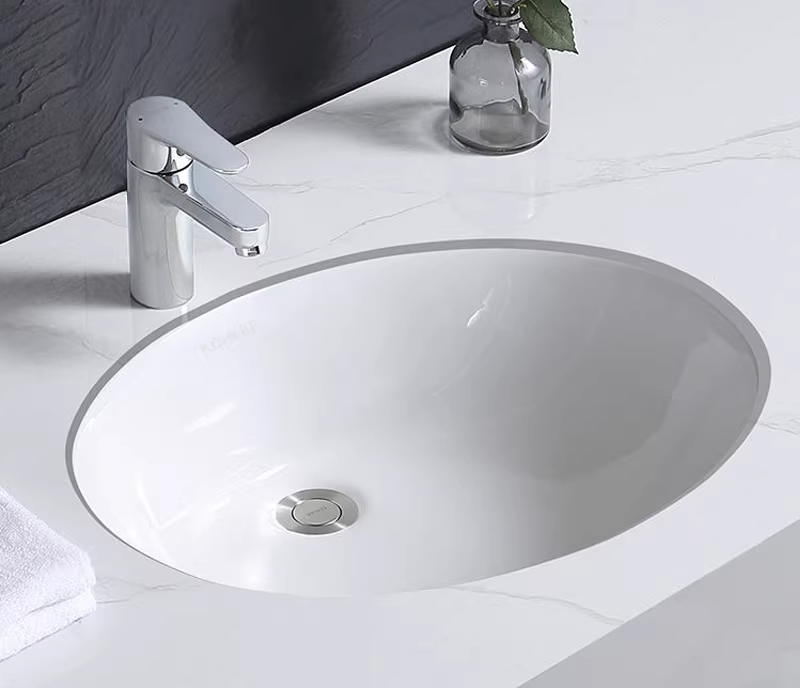
Precision cutting of stone and ceramics for architectural applications.
Heavy Industry & Metalworking
For shipbuilding, defense, or heavy plate cutting, the primary demands are power, durability, and the ability to cut thick materials (100mm+). Machines may need to operate in demanding environments, making robust construction and stable long-term operation critical. Some applications may even require optional explosion-proof environment adaptation.
2. Supplier Selection: The Three Essential Capabilities
Evaluating a CNC waterjet supplier goes beyond a product catalog. Focus on these three foundational capabilities.
Capability 1: Proven Industry Customization Experience
A supplier should demonstrate a history of tailoring solutions. For example, YC Waterjet, founded in 1999, has developed specific configurations for diverse industries. Their product range includes machines designed for the medical & food industry, suitable for cutting titanium alloys, silicone, and frozen meat, as well as heavy-duty gantry systems for metalworking. Look for a portfolio that shows adaptation of core platforms—like offering 3 axis, 3D MAX 5 axis, or Dynamic 5 axis waterjet cutting machine variants—to solve different problems.
Capability 2: Comprehensive Compliance and Certification
Global market access depends on certifications. A serious manufacturer will hold relevant approvals. For instance, YC Waterjet's equipment carries a Verification of Conformity (CE certification) (Certificate No. ICR/VC/HM2308122) for the EU market, complying with machinery directives and safety standards like EN ISO 12100:2010. They also maintain a Quality Management Systems Certification (ISO 9001:2015) (Certificate No. 17324Q21401R0S), which governs their R&D and manufacturing processes. These are not just plaques on the wall; they are assurances of a systematic approach to safety and quality.
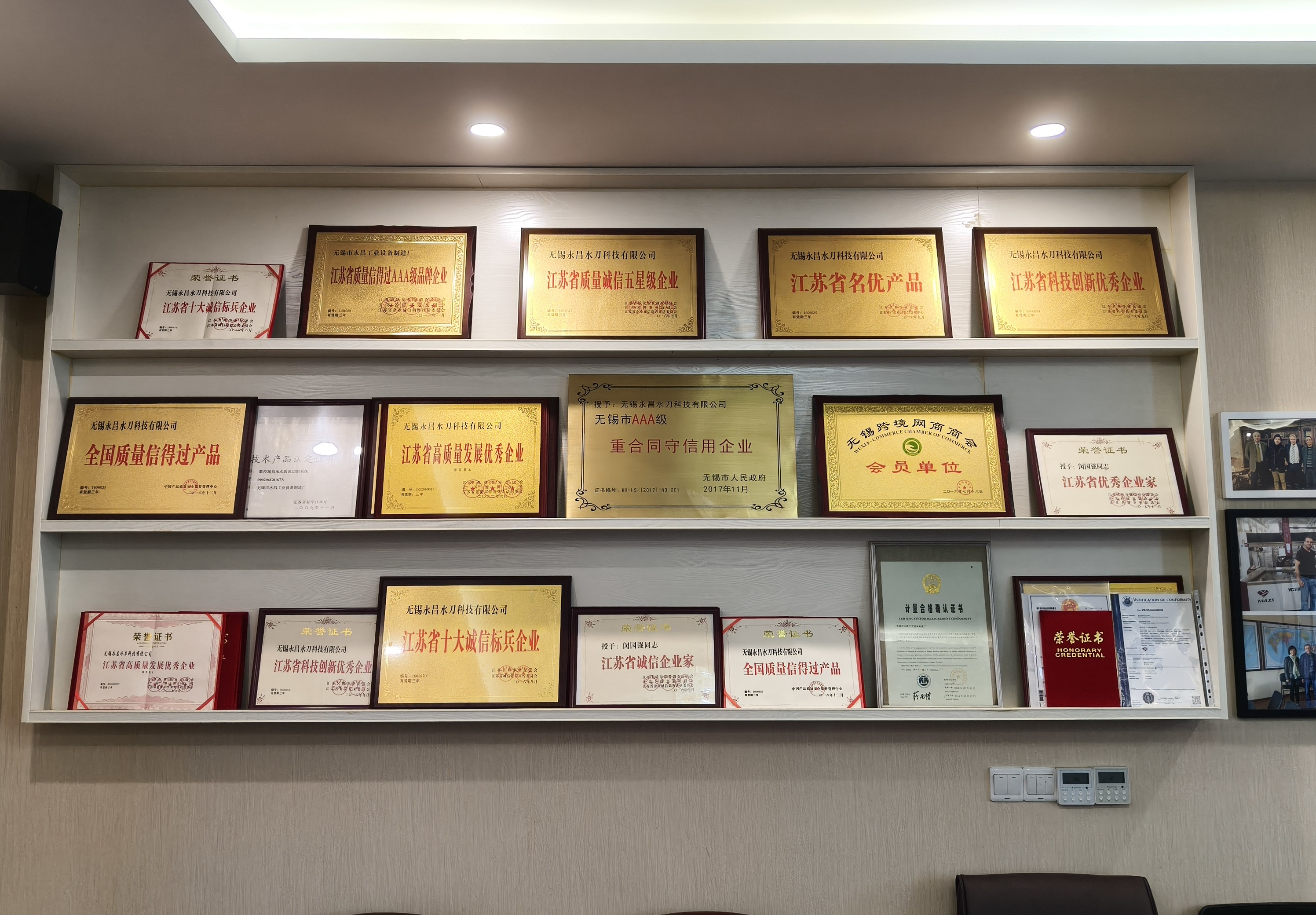
Certifications like CE and ISO 9001 are critical indicators of a supplier's commitment to quality and safety standards.
Capability 3: Engineering for Performance and Supportability
The machine's design dictates its reliability and cost of ownership. Scrutinize the technical specifications and design philosophy.
- Precision: Look for a cutting accuracy of ±0.1mm and a positioning accuracy of ±0.025mm.
- Power & Stability: The heart of the system is the pump. A high-performance pump like the YC series offers a maximum operating pressure of 4137 Bar / 60,000 Psi.
- Smart Configurations: Assess available options that reduce labor and improve results, such as Auto Abrasive Delivery, Auto Sewage Removal, Laser scanning height measurement, and remote monitoring and data acquisition capabilities.
Furthermore, evaluate the support structure. A clear after-sales service policy is essential. For example, YC Waterjet provides a one-year warranty for the machine (excluding consumable parts), backed by technical support services [that] include remote guidance and on-site engineer assistance. Their quality control process is defined by delivery inspection standards.
3. Success in Action: A German Case Study in Precision Stoneworking
A practical example illustrates how a specialized supplier meets complex industry needs. A home furniture manufacturer in Germany required a system for cutting marble and stone for high-end kitchen countertops and basins. The challenges included achieving chipping-free edges on brittle stone, integrating the machine into a quality-focused workshop, and ensuring long-term reliability.
The solution provided by YC Waterjet was a YCWJ-3742-L4022/MAX5 machine, a 5-axis waterjet system. The 5-axis capability allowed for precise bevel cuts on sink openings. The cold cutting process eliminated thermal stress and cracking risk. The system's eco-friendly, dust-free processing aligned with the workshop's clean environment. The result, over a 10-year period, has been high-precision stone cutting, stable operation, and a boosted yield for the client, demonstrating the machine's versatile stone adaptation and long-lasting durability.
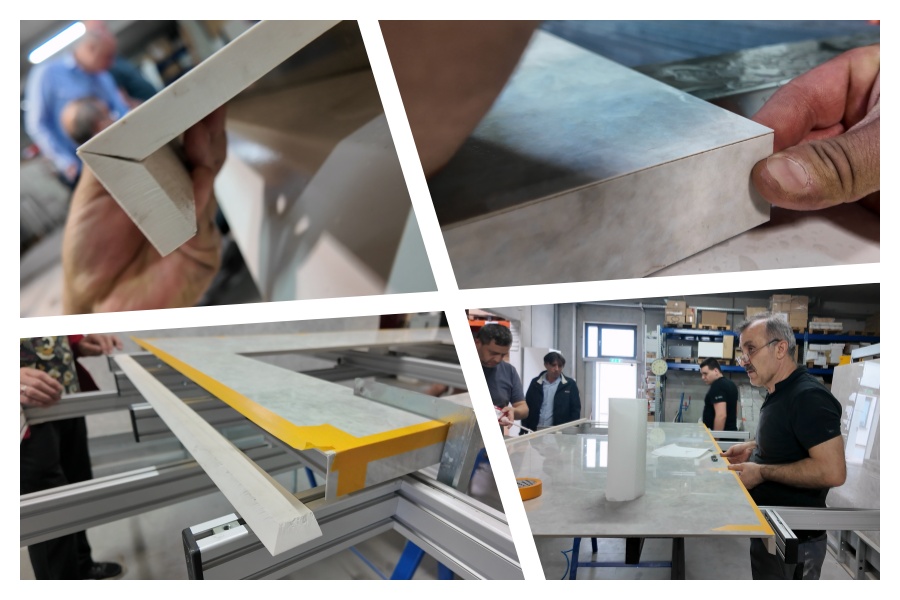
A marble kitchen countertop precisely cut using a 5-axis waterjet system for a German furniture manufacturer.
4. Strategic Collaboration: Key Points for Buyers
The final step is establishing a productive partnership with your chosen supplier.
Define Requirements with Precision
Before engaging, document your needs: material types and thicknesses, required tolerances (linking back to that ±0.1mm accuracy), daily throughput, factory floor space, and any special environmental conditions (dust-free, explosive atmosphere). This clarity prevents misalignment.
Insist on a Pre-Sales Technical Dialogue
A reputable supplier will want to understand your application deeply. They should review your sample parts, discuss potential challenges like composite delamination, and recommend specific configurations—whether it's a Cutting Head with Drilling Function or an Auto Sludge Remove System.
Clarify the Full Project Scope
Beyond the machine price, discuss installation, training, warranty terms, and spare parts logistics. Understand the supplier's lead time (e.g., 30–45 days is common) and their process for ex-factory testing before shipment. Ensure their after-sales service model, including response times for remote guidance, matches your operational criticality.
Conclusion: Selecting the right CNC waterjet cutting machine supplier is a technical procurement exercise. By focusing on your industry's unique requirements, rigorously evaluating a supplier's customization experience, compliance posture, and machine engineering, and fostering a collaborative partnership, you secure not just a machine, but a long-term productivity asset. Suppliers like YC Waterjet, with a track record since 1999 serving global markets from aerospace to luxury goods, exemplify the deep industry knowledge that transforms a standard machine into a tailored solution.