
كيفية اختيار قطع المياه عالية الضغط: كتاب أبيض تقني لمهنيي المشتريات
High-pressure water cutters, also known as CNC waterjet cutting machines, represent a cornerstone of modern, non-thermal material processing. Their ability to cut a vast array of materials—from metals and stone to composites and food—without inducing heat-affected zones makes them indispensable across aerospace, automotive, architecture, and medical industries. This white paper provides a structured, technical framework to guide procurement professionals in evaluating and selecting a high-pressure waterjet cutting system that aligns with specific operational and strategic requirements.
1. Core Technical Specifications: Defining Performance Parameters
The foundational step in supplier evaluation is a thorough analysis of technical specifications. These parameters directly dictate the machine's capabilities and suitability for your intended applications.
Pressure & Power
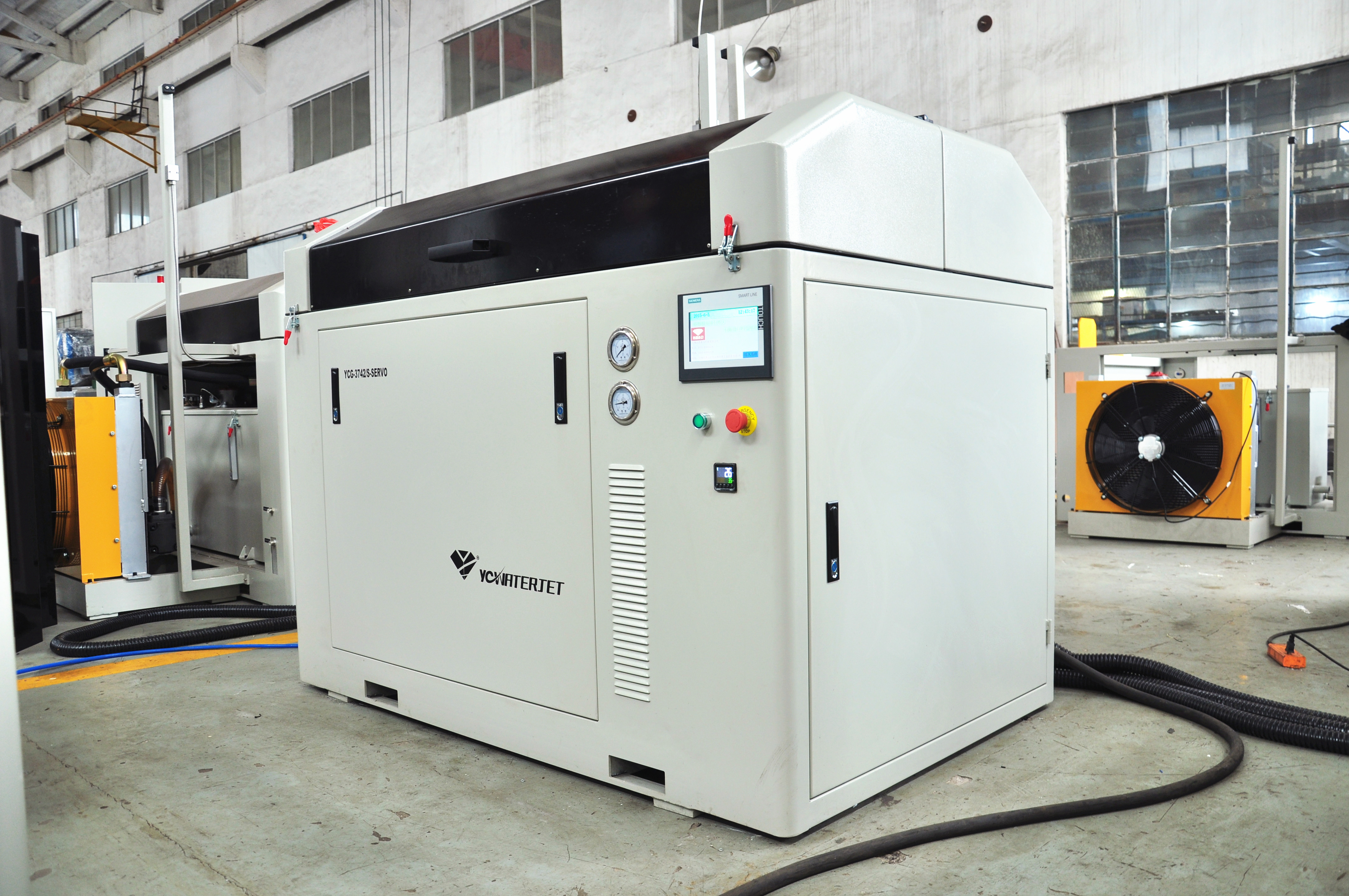
Maximum system pressure, measured in Bar or PSI, determines cutting capability, especially for thick or hard materials. A common industrial standard is 4137 Bar (60,000 PSI). Associated pump power, often 75kW (100HP), supports sustained high-pressure output. For instance, YC Waterjet's Ultra High Pressure Waterjet Pump models, such as the YCG-3742S, are rated for this pressure with a maximum water flow of 7.4 L/min.
Accuracy & Speed
Positioning accuracy (e.g., ±0.025mm) and cutting accuracy (e.g., ±0.1mm) are critical for precision parts. Dry-run traverse speeds (e.g., 0-15 m/min) impact non-cutting movement efficiency. Actual cutting speed is highly dependent on material type and thickness.
Cutting Area & Machine Configuration
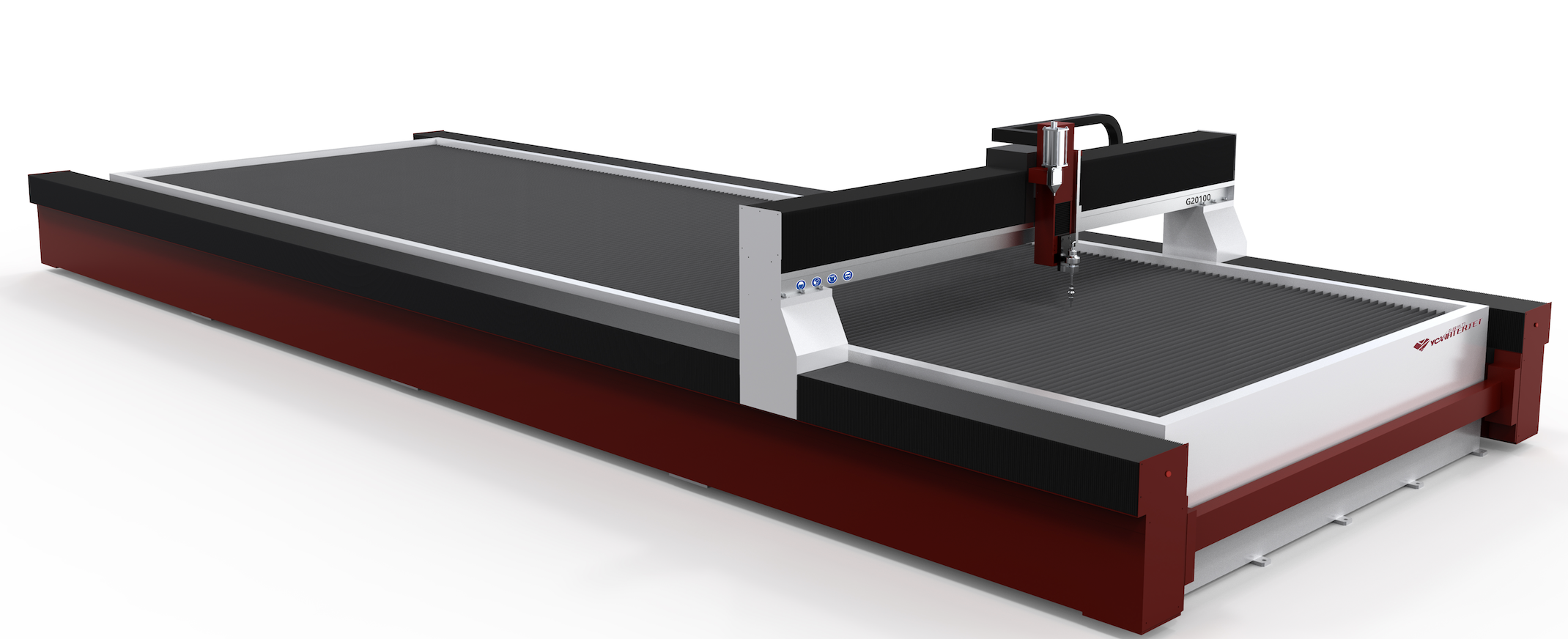
The effective cutting area (e.g., 3000x2000mm, 4000x2000mm) must match your typical workpiece sizes. Machine series like Gantry (G-Series) offer robustness for heavy-duty or large-format cutting, while smaller L or S Series are suited for precision workshops.
2. Axis Configuration: 3-Axis vs. 5-Axis vs. Dynamic 5-Axis
Choosing the right kinematic configuration is paramount for part geometry.
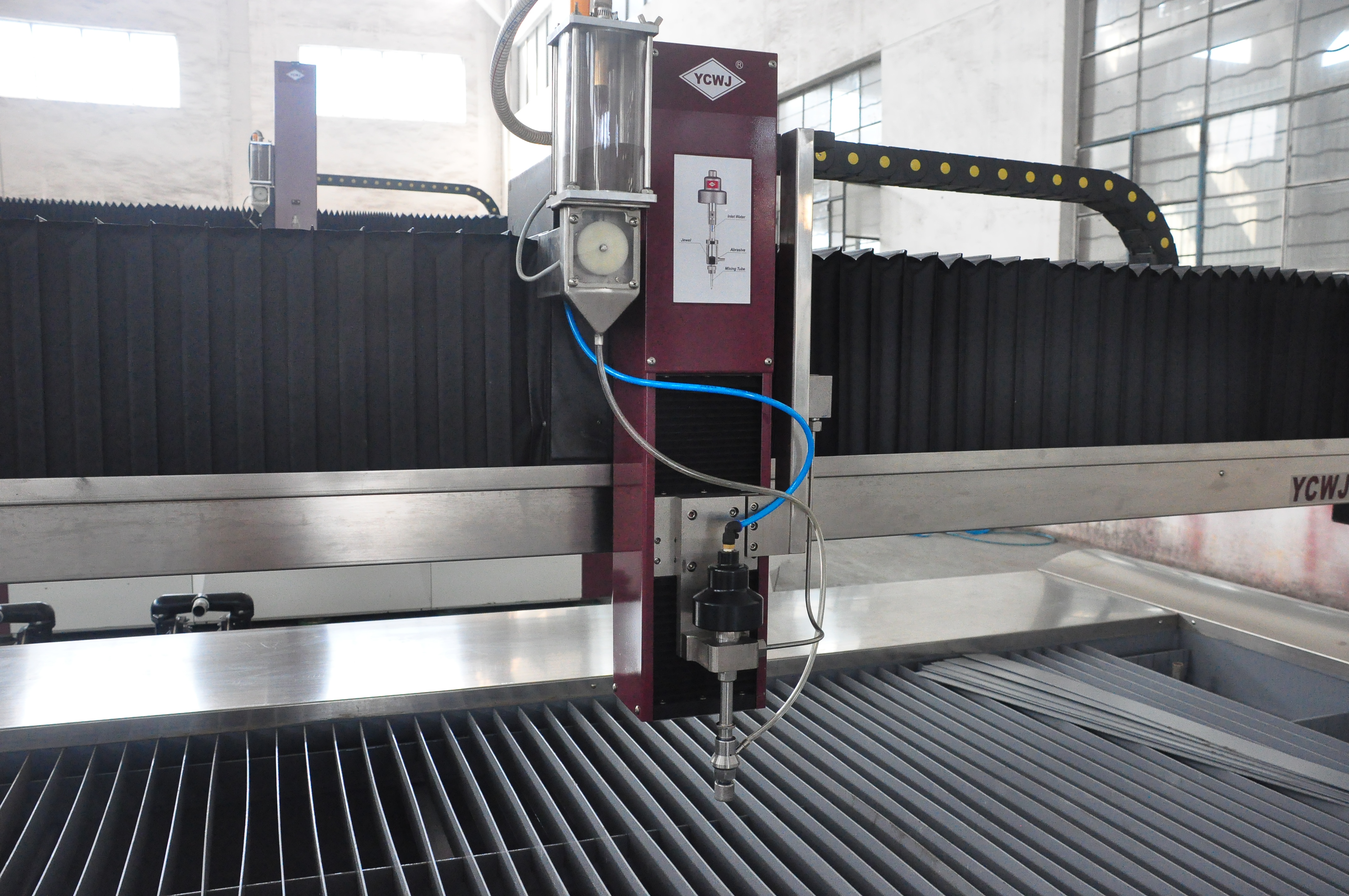
- 3-Axis CNC Waterjet: The standard for 2D profiling of flat sheets and plates. It offers high speed and accuracy for planar cuts.
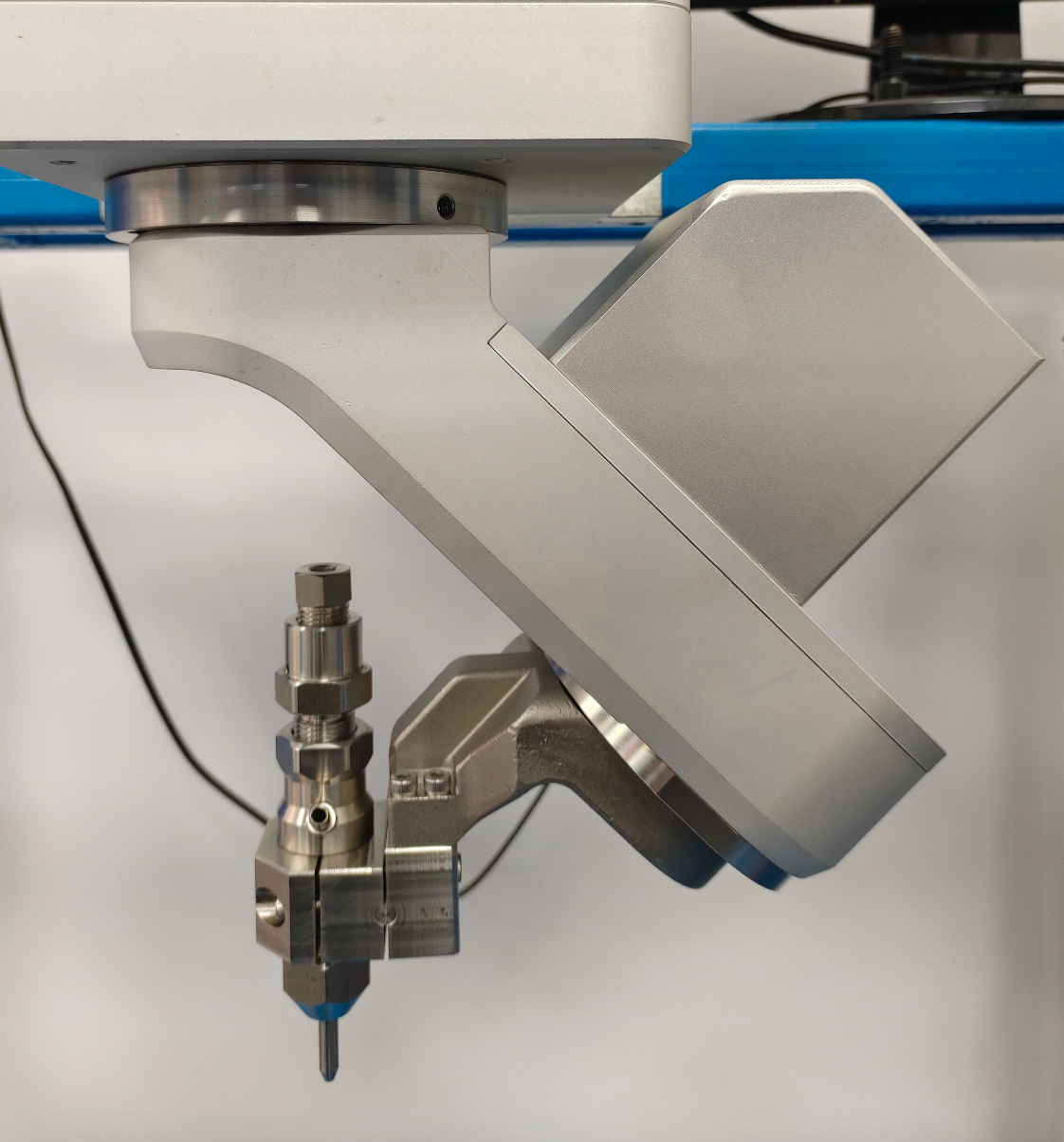
- 5-Axis CNC Waterjet (3D MAX 5-Axis): Introduces two rotational axes (typically A and C) to the cutting head, enabling bevel cutting, tapered holes, and basic 3D contouring on pre-formed or angled surfaces.
- Dynamic 5-Axis Waterjet: An advanced system where the cutting head can dynamically adjust its angle during a single cut, allowing for complex, smooth 3D shapes and undercuts without repositioning the workpiece. This is essential for aerospace components and complex molds.
3. Advanced Functionality & Optional Systems
Beyond basic cutting, evaluate suppliers on their integration of advanced subsystems that enhance productivity, quality, and automation.
Intelligent Pressure Control
Systems that automatically regulate pressure based on material and cut path optimize energy use and cut quality while reducing wear.
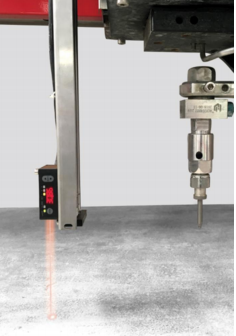
Height Sensing & Control
Laser scanning or tactile probes measure workpiece surface variations in real-time, automatically adjusting the cutting head standoff distance to maintain precision, crucial for warped plates or 3D surfaces.
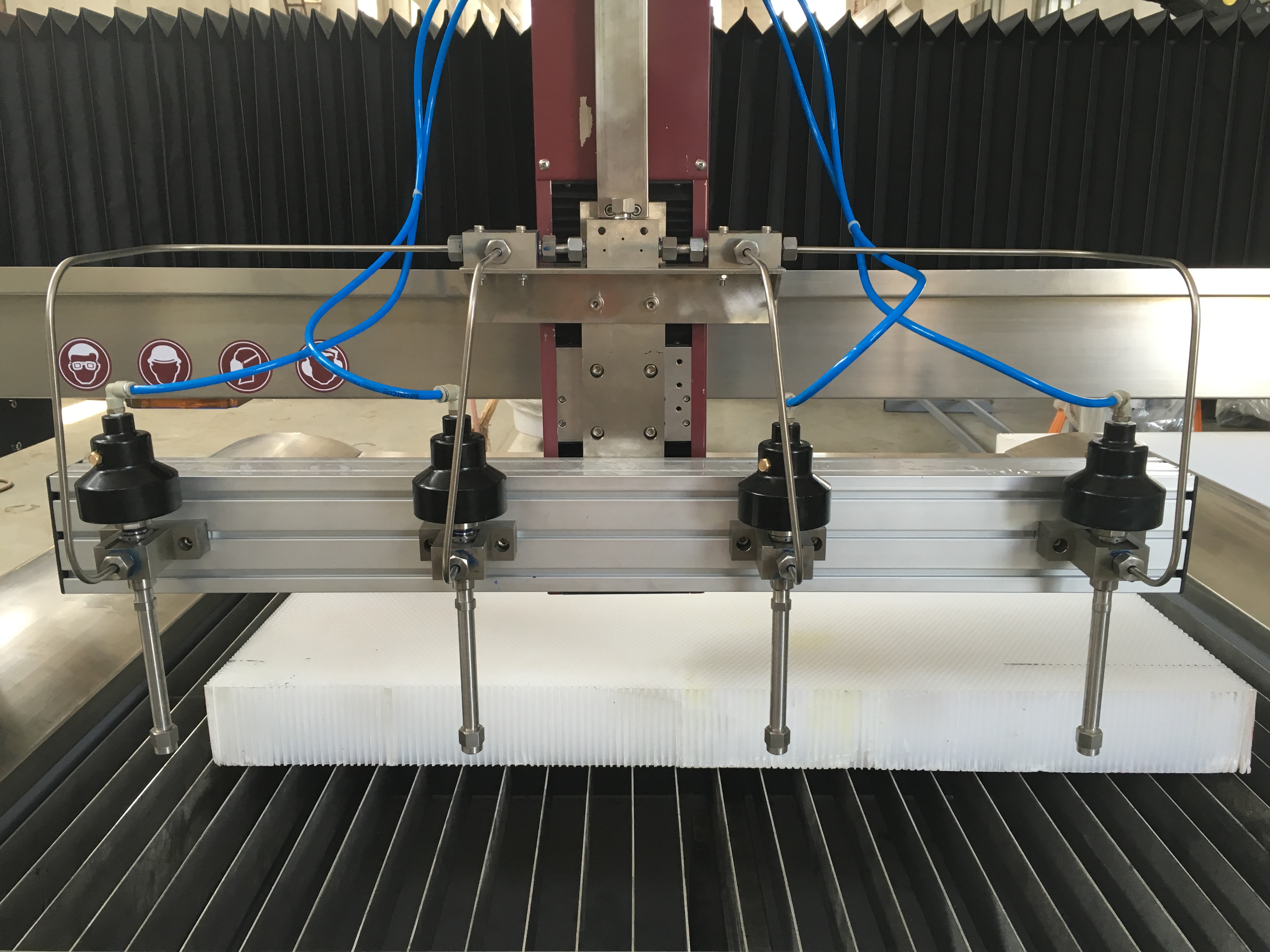
Integrated Drilling Function
A critical feature for preventing delamination in composite materials like carbon fiber. A pre-drilling module creates a clean inlet hole before the abrasive waterjet stream engages, ensuring a flawless cut edge. This addresses a key risk in composite processing.
Multi-Head & Robotic Systems
For high-volume production, systems with double or multiple cutting heads double output. For complex 3D parts, 6-axis robotic waterjet systems (like the YCWJ-Robot) offer unparalleled flexibility.
4. Supplier Evaluation: Manufacturing Capability & Compliance
Technical specs must be backed by solid manufacturing and quality assurance.
- Production Scale & Lead Time: Assess the supplier's capacity to meet your timeline. For example, YC Water Jet Technology Co., Ltd., founded in 1999, operates from a 7,000㎡ facility and maintains a monthly production capacity of 10 sets, with a typical lead time of 30–45 days.
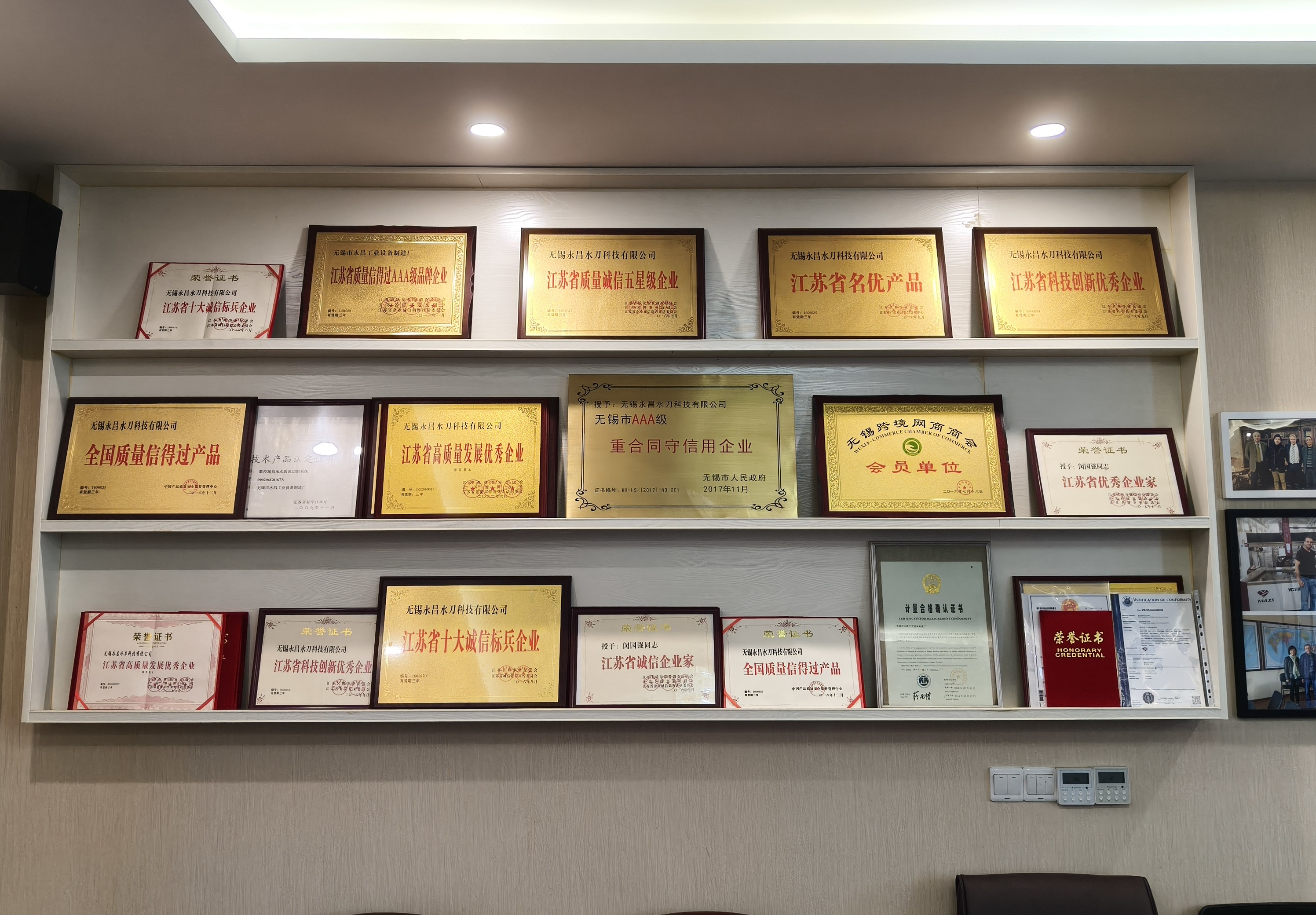
- Quality Certifications: Mandatory certifications like the CE Mark (Verification of Conformity, e.g., ICR/VC/HM2308122) for the European market and ISO 9001:2015 (Certificate 17324Q21401R0S) for quality management systems are non-negotiable indicators of standardized processes.
- Technical Team & Experience: Longevity and expertise matter. A team including engineers with over 20 years of experience contributes to stable product design and reliable troubleshooting.
- Global Support Network: With exports to over 140 countries, a supplier's ability to provide after-sales support, remote guidance, and access to spare parts globally is crucial for minimizing downtime. A standard one-year warranty on the machine is typical.
5. Total Cost of Ownership (TCO) & Operational Considerations
The purchase price is one component. A comprehensive TCO analysis includes:
- Energy & Consumables: Evaluate pump energy efficiency, abrasive consumption rates, and the cost/availability of consumables like orifices and nozzles.
- Maintenance & Downtime: Modular pump designs (e.g., using USA-sourced Hypertherm intensifiers) can simplify maintenance. Assess the supplier's documentation, training, and technical support responsiveness.
- Integration & Ancillary Systems: Factor in costs for water softening, abrasive recovery, sludge removal systems, and CAD/CAM software compatibility.
- Payment & Logistics: Standard terms may involve a 30% deposit and 70% balance before shipment, with various Incoterms (FOB, CIF, DAP, etc.) available. Each machine should undergo a pre-delivery ex-factory test.
Conclusion
Selecting a high-pressure water cutter is a strategic decision that extends beyond comparing catalog specifications. A methodical approach that weighs core technical parameters (pressure, accuracy, axis configuration), advanced functionalities, the manufacturer's proven capability, compliance posture, and the total cost of ownership will lead to a successful procurement. By partnering with a technically proficient supplier that demonstrates global experience and robust support structures, organizations can secure a waterjet system that delivers precision, reliability, and long-term value for their specific industrial applications.